
Cat-Safe Cleaning Checklist: Fresh Home, Fewer Fumes
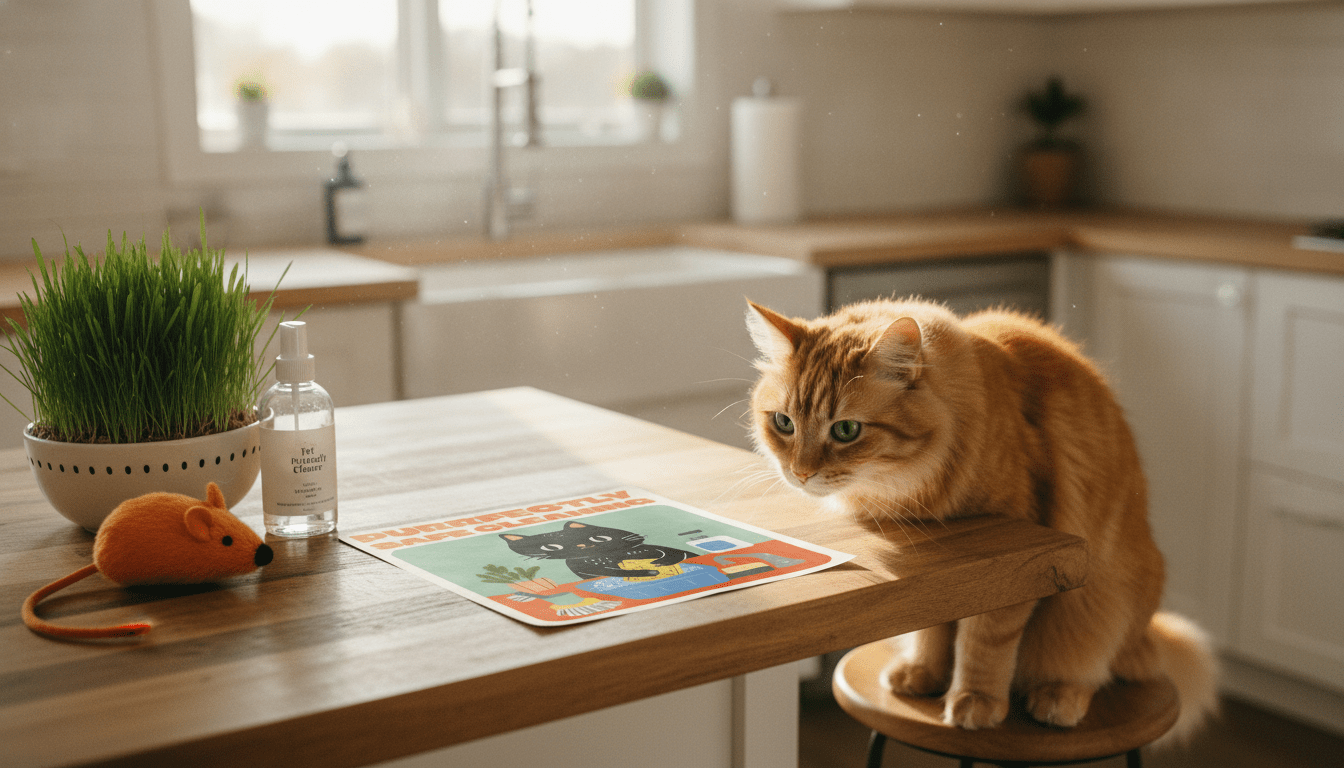
Purrfectly Safe Cleaning: A Cat-Friendly Checklist for a Healthier Home
Cats explore with their paws, noses, and tongues—so everyday cleaning choices can matter more than many pet parents realize. A simple, repeatable routine helps reduce risky residues, strong fumes, and accidental exposures while still keeping the home fresh. Below are practical, cat-considerate cleaning habits, plus a checklist-style routine you can keep on the fridge or inside a cabinet for quick reference.
Why cats are more sensitive to household cleaners
What feels like “normal” cleaning exposure for humans can be a bigger deal for cats due to how they live in the home.
- Grooming increases ingestion risk: Residue tracked across floors or left on surfaces can end up on paws—then into the mouth during grooming.
- Paw-level breathing: Some fumes linger closer to floors, where cats spend much of their time.
- “Natural” isn’t automatically safe: Certain ingredients and essential oils can still be irritating or toxic to cats.
- Concentrates and sprays can intensify exposure: Aerosols, diffusers, and overly strong mixes can create higher airborne or surface residues than needed.
Quick start: safer cleaning habits that make the biggest difference
If you only change a few things, make them these. They reduce exposure without sacrificing a clean home.
- Ventilate during and after cleaning: Open windows and run exhaust fans. Avoid keeping cats in the same room with fresh fumes.
- Rinse and dry: For food-prep counters, pet areas, and floors, rinse with clean water when appropriate and let surfaces fully dry before cat access.
- Store securely: Keep sprays, wipes, and pods in closed cabinets (use latches if needed).
- Use the smallest effective amount: More product usually means more residue—not better results.
- Skip lingering fragrance boosters: Scented sprays, plug-ins, and oil diffusers can add avoidable airborne irritants.
The cat-friendly cleaning checklist (printable routine)
Use this as a quick routine to reduce common mistakes (like trapped fumes, wet floors, and splash-zone contamination).
- Before cleaning: Move food and water bowls, toys, scratchers, and litter supplies out of splash zones; choose a well-ventilated room; pre-mix any dilutions correctly.
- During cleaning: Keep cats out until surfaces are dry; avoid aerosolizing products near fabric towers, cat beds, and litter areas; never mix products (especially bleach with ammonia or acids).
- After cleaning: Wipe down high-contact areas, rinse where needed, and do a final “paw-level check” on floors and baseboards before letting cats back in.
- Weekly: Wash bedding and washable toys with a fragrance-free detergent; clean litter mats and nearby floors to reduce tracked dust.
- Monthly: Audit cabinets for expired or unneeded chemicals; check labels and update your household “do-not-use” list for cat-sensitive ingredients.
If you prefer a ready-to-print version, consider the Printable Purrfectly Safe Cleaning checklist (digital download) for a simple post-and-go routine.
Common cleaning categories and what to look for
For ingredient guidance and safer product labeling, the U.S. EPA Safer Choice Program is a helpful reference point.
Swap guide: cleaners to approach with care and safer habits to pair with them
| Cleaning need | Approach with care | Cat-friendlier approach | Extra precautions |
|---|---|---|---|
| Everyday floor cleanup | Strongly scented floor cleaners | Fragrance-free cleaner or hot water + microfiber mop | Keep cats off floors until fully dry; rinse if label recommends |
| Odor control | Air fresheners, plug-ins, diffusers | Source control: wash fabrics, clean litter area, ventilate | Avoid adding fragrance on top of odors; address the cause |
| Bathroom grime | Harsh sprays used in closed rooms | Targeted gel/foam used with ventilation; wipe and rinse well | Close lid, run fan, keep cats out until dry |
| Kitchen degreasing | Heavy degreaser overspray | Spot-clean with mild soap solution; rinse thoroughly | Remove bowls and food items first; dry counters completely |
| Disinfecting high-touch spots | Overuse of disinfectant on large areas | Disinfect only when needed; follow label contact time | Wipe/rinse as directed; store products securely |
| Laundry | Scent boosters and fragranced softeners | Fragrance-free detergent; skip boosters | Keep pods sealed and locked away |
High-risk zones in cat homes (and how to clean them safely)
If exposure happens: practical first steps
- Remove access: Move your cat away from the area and block re-entry.
- Check the label: Note ingredients and keep the container available for guidance from a professional.
- For skin/paw contact: Gently wipe with a damp cloth and rinse with water as needed; don’t add other chemicals to “neutralize.”
- For inhalation concerns: Move to fresh air and monitor for coughing, drooling, lethargy, vomiting, or breathing changes.
- Contact a professional promptly: If symptoms appear or exposure is uncertain, contact your veterinarian or a poison-control resource such as ASPCA Animal Poison Control or Pet Poison Helpline.
Make it easy: print, post, and reset your routine
For tidy routines outside the home (like avoiding unknown residues on public surfaces), a controlled walk setup and clean hydration gear can help: the Handmade Cotton Pet Leash pairs well with the Collapsible Portable Pet Bowl for quick rinses and fresh water on the go.
FAQ
Are “natural” cleaners automatically safe for cats?
No. “Natural” products can still contain essential oils or strong botanicals that may irritate cats or be harmful if licked off paws. Check ingredients, choose fragrance-free options when possible, ventilate, and keep cats away until surfaces are fully dry.
What is the safest way to disinfect surfaces in a home with cats?
Disinfect only when needed, follow the label’s contact time, and ventilate the area. Keep cats out during use and wipe/rinse as directed before letting them back—especially for floors and feeding areas.
What should be done if a cat walks through wet cleaner or starts coughing after cleaning?
Move your cat away from the area immediately, wipe and rinse paws with water, and get them into fresh air. Monitor for symptoms and gather the product information; contact a veterinarian or poison control promptly if signs persist or exposure may be significant.








Leave a comment