
Warm Fleece Pet Vest Guide for Cozy Winter Walks
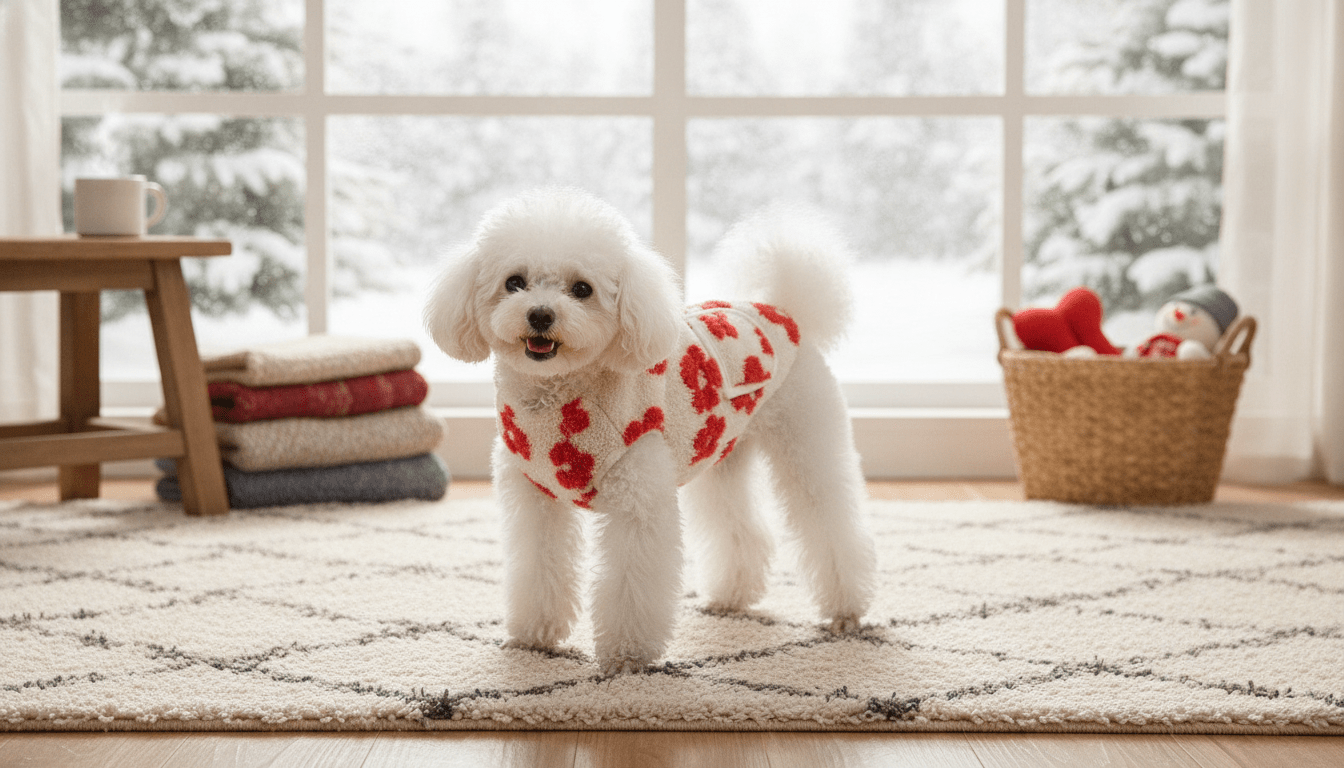
Warm Fleece Pet Vest: Cozy Layering for Chilly Walks
Cold weather can make even short potty breaks uncomfortable for pets with short coats, small frames, or low body fat. A warm fleece vest adds an easy layer of insulation without restricting movement, helping keep the chest and core comfortable for daily walks, errands, and lounging. For many pets, a vest-style layer is the sweet spot: simple to put on, soft against the fur, and warm where it matters most.
What a Fleece Vest Does Well
A fleece vest is made for practical, everyday warmth—especially when the forecast is cool but not extreme.
- Adds lightweight warmth by trapping body heat in soft fleece fibers
- Keeps core areas (chest and torso) warmer while leaving legs free for natural stride
- Works as a standalone layer on cool days or as a mid-layer under a raincoat or wind shell
- Often preferred by pets that dislike bulky jackets or sleeves
Warm Fleece Pet Vest at a Glance
For cold-weather routines, the Warm Fleece Pet Vest is an easy go-to: a streamlined layer designed for comfort and quick changes. It suits quick outings, neighborhood walks, and indoor warmth during drafty seasons—especially for pets that want cozy coverage without feeling “bundled up.”
- Designed for everyday cold-weather comfort with a simple, easy-to-wear vest shape
- Suitable for quick outings, neighborhood walks, and indoor warmth during drafty seasons
- A practical choice for pets that need extra warmth without heavy outerwear
Quick Comparison: When a Fleece Vest Fits Best
| Situation | Why a fleece vest helps | When to consider a different layer |
|---|---|---|
| Cool, dry walks | Insulates the core without overheating | If temperatures are extremely low, add a windproof outer layer |
| Drafty indoor spaces | Adds cozy warmth while resting | If the pet overheats indoors, use it only for naps |
| Light activity (easy strolls) | Comfortable and flexible for movement | For high-energy runs, choose breathable layers and monitor panting |
| Windy conditions | Can be layered under a shell | If wind cuts through, use a windproof jacket on top |
| Wet snow or rain | Good as a warm base layer | Use a water-resistant coat over it |
Fit and Comfort: Getting the Right Size
Warmth only works when the vest fits correctly. A good fit should feel secure without squeezing, rubbing, or shifting during movement.
- Measure chest girth at the widest point; this is usually the most important measurement for vests
- Measure back length from the base of the neck to the base of the tail; a good fit covers the torso without riding up
- Ensure a comfortable neckline that doesn’t press on the throat when the pet looks up or pulls slightly
- Check arm openings: front legs should move freely without chafing at the armpits
- Aim for “two-finger” comfort under the vest—snug enough to retain warmth, not tight enough to compress fur or restrict breathing
After putting the vest on, do a quick “movement test” indoors: encourage a few steps, a sit, and a gentle turn. If the fabric bunches behind the front legs or the neckline rides into the throat, adjust sizing or positioning before heading outside.
When Pets Benefit Most From Added Warmth
Some pets feel the cold quickly, even when the temperature seems manageable for larger or double-coated dogs.
- Small breeds and toy dogs that lose heat quickly
- Short-haired breeds and pets with thin coats
- Senior pets that may be more sensitive to cold or stiffness
- Pets recovering from grooming trims or seasonal coat changes
- Cats and dogs that seek warm spots indoors and shiver on cold floors
If cold snaps are common where you live, veterinary safety guidance can help you plan ahead for shorter trips and better protection—see the AVMA’s cold-weather tips at American Veterinary Medical Association (AVMA) — Cold weather pet safety and the ASPCA — Cold weather safety tips.
Layering Tips for Changing Weather
Layering keeps your pet comfortable across unpredictable winter conditions. Think “warm base” plus “weather barrier” when needed.
- Use the fleece vest as the base warmth layer; add a windproof or water-resistant shell when conditions demand it
- In fluctuating temperatures, remove the vest after exercise if the pet starts panting heavily
- For nighttime or early morning walks, prioritize core warmth while keeping mobility and bathroom breaks easy
- If the pet wears a harness, confirm the vest doesn’t bunch under straps; adjust for flat, even contact
On gusty days or exposed routes, pairing fleece with a protective outer layer often feels noticeably warmer because it reduces wind chill. For harsher conditions, a top layer like the Winter Windproof Dog Hoodie Jacket can help block wind over a warm base layer.
Care and Maintenance
Cold-Weather Routine: Safety and Comfort Checks
For more general winter precautions—like antifreeze awareness and safe outdoor time—review VCA Animal Hospitals — Winter pet safety.
Add-Ons That Pair Well for Outings
- A comfortable leash for steady walks and better control in slippery conditions: Handmade Cotton Pet Leash
- A portable bowl for hydration on longer winter hikes or travel days: Collapsible Portable Pet Bowl
- A windproof hoodie-style jacket for harsher conditions when fleece alone isn’t enough: Winter Windproof Dog Hoodie Jacket
FAQ
How do you know if a pet is too cold on a walk?
Common signs include shivering, slowing down, lifting paws, a tucked posture, or repeatedly trying to be picked up. Add a warmer layer, shorten the walk, and check paws for ice or irritation from salt.
Can a fleece vest be worn under a harness?
Often yes, as long as the vest lies smooth under the straps. Check for bunching and rubbing near the armpits, confirm the harness sits correctly, and do a short indoor test walk before heading outside.
Is fleece warm enough for snow?
Fleece insulates well, but it isn’t windproof or waterproof. For wet snow or windy conditions, use fleece as a warm base layer and add a windproof or water-resistant coat on top.








Leave a comment