
Cozy Pet Bed for Cats & Small Dogs: Supportive Comfort
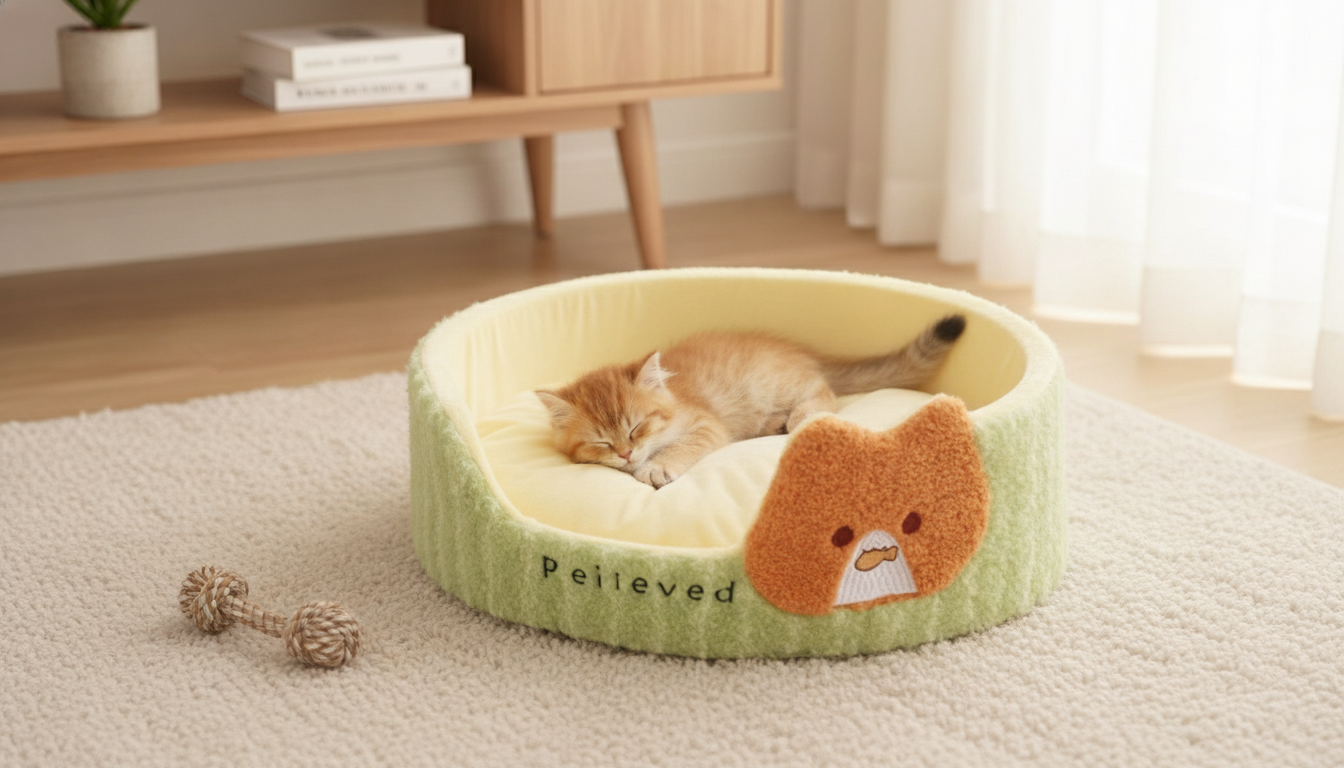
Cozy Pet Bed for Cats and Small Dogs: Comfort, Support, and Better Rest
A truly comfortable pet bed does more than look cute—it helps pets settle faster, stay warmer, and rest more deeply. The right mix of plush texture, supportive shape, and steady cushioning can turn a random nap spot into a reliable “go-to” place. Below is a practical guide to what makes a bed feel cozy for cats and smaller companions, when those features matter most, and how to keep the bed fresh so it stays inviting day after day.
What makes a pet bed feel truly cozy
- Soft, plush surface: A warm-to-the-touch fabric encourages curling up and helps pets relax quickly after play or mealtime.
- Raised edges or bolsters: A rim gives the head and neck a natural place to rest while creating that secure “nest” feeling many pets seek.
- Cushioning that holds its shape: Consistent loft helps distribute pressure and keeps naps comfortable, especially for pets that sleep in the same spot daily.
- Non-slip bottom: A grippy base keeps the bed from skating across tile or hardwood when a pet circles before settling.
- Right size for sleep style: Some pets curl tight; others sprawl long. A cozy bed matches how your pet naturally rests instead of forcing a new posture.
When a Cozy Pet Bed is especially helpful
- Pets that seek warmth or “hideaway” spots: Many cats rotate between sunny windows, soft blankets, and tucked-away corners. A bed with a nest-like feel can become their preferred stop.
- Smaller companions that get chilly easily: Plush textures and supportive sides help hold warmth, especially in rooms with strong A/C or cooler floors.
- Frequent nappers (including seniors): A dependable cushion makes daily rest more restorative. For broader senior care routines, the AVMA’s guidance on senior pets is a helpful reference.
- Newly adopted pets: A consistent “safe spot” reduces stress and makes the home feel predictable. The ASPCA’s cat care resources include tips that support calmer transitions: ASPCA general cat care.
- Pets that hop onto furniture: An appealing, cozy bed placed nearby can become an easy alternative—especially if it’s warmer and softer than the floor.
Cozy Pet Bed for Cats and Small Dogs: highlights to look for
If you’re shopping for a straightforward comfort upgrade, Cozy Pet Bed for Cats and Small Dogs is designed to suit common small-pet sleep positions with a plush feel and a supportive, secure shape. It’s a home-friendly option that fits naturally in living rooms, bedrooms, crates, or quiet corners—without overcomplicating the basics that matter most for restful downtime.
- Designed for cats and smaller companions, fitting familiar curling and nesting positions
- Plush, comforting texture suited to settling in and staying put
- Supportive shape that helps pets feel secure while resting
- Easy to place around the home (or in a crate, when sized correctly)
- Budget-friendly price point with comfort as the priority
Quick comfort check: match the bed to your pet
| Pet habit | Best bed feature | What to watch for |
|---|---|---|
| Curls into a tight ball | Raised rim/nest shape | Too large can feel exposed |
| Stretches out on naps | Wider sleeping area | Rims that crowd the body |
| Burrows under blankets | Plush top + cozy sides | Overheating in warm rooms |
| Moves a lot during sleep | Non-slip base | Sliding on smooth floors |
| Senior or stiff after naps | Consistent cushioning | Beds that flatten quickly |
Sizing and placement tips for cats and small dogs
- Measure first, then compare: Measure from the nose to the base of the tail and compare that number to the bed’s inner sleeping area. If your pet regularly stretches out, choose a roomier sleeping surface.
- Place it where rest already happens: If your cat loves a quiet corner or your small companion naps near the family, start there. Near a sunny window can be great—just avoid direct overheating during peak sun.
- Use consistency for anxious pets: Pick a low-traffic spot and keep the bed there so it becomes a stable landmark in the home.
- For crate use, confirm the fit: A bed that bunches at the edges can feel unstable and reduce usable space. The goal is flat, even contact with the crate floor.
- Consider seasonal comfort: Some homes run cold in winter and warm in summer. A second bed in a cooler area can help pets choose what feels best.
Care and cleaning: keeping the bed inviting
Helping a pet start using the new bed
Small upgrades that pair well with a Cozy Pet Bed
- 1.8L Automatic Pet Feeder and Water Dispenser Set for Cats and Dogs for a more consistent food-and-water station.
- Cat Swing Feeder Toy to add movement and interest for cats who enjoy batting, chasing, and working for a reward.
FAQ
What size pet bed is best for a cat or small dog?
Measure your pet from nose to the base of the tail and compare it to the bed’s inner sleeping area. If your pet tends to stretch out, choose a slightly larger sleeping space; if your pet curls tightly, a snugger nest-style bed can feel more secure. If you plan to use the bed in a crate, confirm the bed fits flat without bunching.
How often should a Cozy Pet Bed be washed?
For most pets, washing every 1–2 weeks works well, with more frequent cleaning during heavy shedding, allergy seasons, or after any accidents. Follow the care label and make sure the bed dries thoroughly to prevent odor.
Why do some pets ignore a new bed?
New textures and unfamiliar smells can make a bed feel “not theirs” at first, especially for cautious pets. Adding a familiar blanket, keeping the bed in a consistent spot, and rewarding gentle investigation usually helps. Avoid strong detergents or fragrances that can discourage use.










Leave a comment