
Calm Training for Hyperactive Pets: Routines That Work
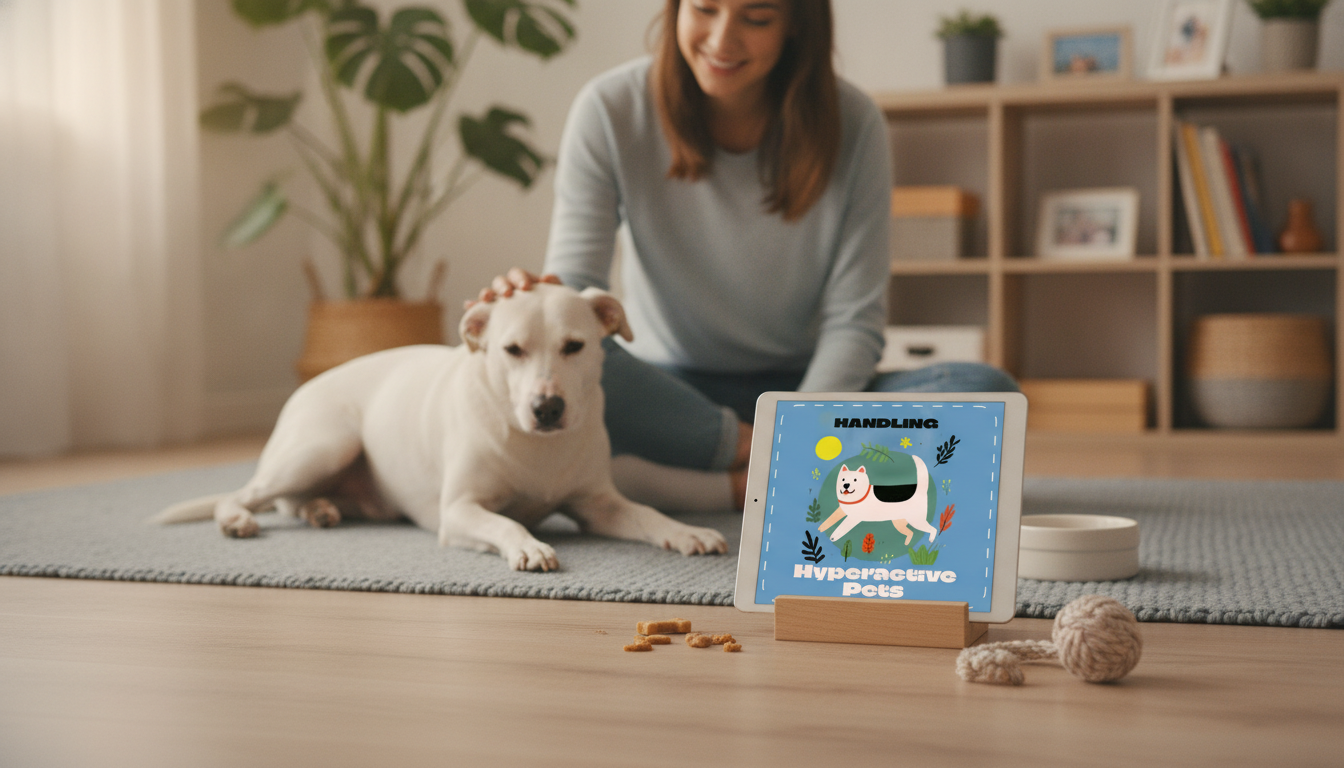
The Smart Guide to Handling Hyperactive Pets: Calm Training and Everyday Behavior Management
High energy can look like nonstop zoomies, jumping, barking, nipping, or an inability to settle—especially in young pets or those missing key enrichment. The goal isn’t to “tire them out” at any cost, but to meet physical and mental needs while teaching calm skills that stick. This guide breaks down practical steps for understanding hyperactivity triggers, building a steady routine, and using training strategies that reduce overstimulation without harsh corrections. For more guidance, see Training and Managing a Hyperactive Dog – Whole Dog Journal.
What “hyperactive” often means (and when it’s not just energy)
“Hyperactive” is often a mix of normal energy plus learned habits and high arousal. Common signs include constant pacing, barking/meowing for attention, mouthing/nipping, jumping, difficulty settling, and destructive chewing or scratching. For further reading, see Is Your Dog Too ‘Hyper?’ 5 Tips to Train Hyperactive Dogs.
It helps to separate energy from arousal. A pet can be physically tired but still “wired” due to stress hormones, chaotic routines, or trigger stacking (small stressors piling up until the pet can’t cope). Age, breed, and lifestyle also matter: puppies, kittens, and many working breeds need structured outlets, not just more intensity.
If behavior changes suddenly, restlessness escalates fast, or sleep patterns shift dramatically, rule out medical contributors (pain, thyroid issues, GI discomfort, itching). When in doubt, check reputable guidance from the American Veterinary Medical Association (AVMA) and your veterinarian.
Energy, anxiety, boredom, or training gap? Quick clues
| What you see | Likely driver | What helps first |
|---|---|---|
| Zoomies after quiet time or when visitors arrive | Overarousal/excitement | Short decompression routine; calm cue practice; reduce intensity of greeting |
| Destruction when left alone | Separation distress or boredom | Gradual alone-time training; enrichment feeders; safe confinement plan |
| Pacing and panting at night | Stress, discomfort, or an insufficient daytime routine | Vet check if new, predictable schedule; calming bedtime rituals |
| Demand barking/meowing and pawing | Reinforced attention-seeking | Reward calm; remove reinforcement for demands; teach alternate behavior |
| Nipping during play, can’t disengage | Overstimulating play + lack of impulse control | Shorter play bursts; structured tug rules; settle breaks; reward gentle mouths |
A calm routine that prevents “trigger stacking”
Predictability is a calming tool. Consistent meal times, potty breaks, play, training, and rest windows reduce frantic anticipation and help pets downshift faster.
- Alternate activation and recovery: every energetic session should have a planned cool-down (sniffing, licking, chewing, then a bed/crate settle).
- Protect sleep: Overtired pets often look “more hyper.” Puppies and kittens especially need uninterrupted nap periods.
- Use low-key transitions: avoid revving up right before leaving the house or bedtime; keep departures and arrivals neutral.
- Track patterns for 7 days: note time of day, triggers (delivery sounds, kids returning home), and what reliably settles your pet.
If you want a dedicated “off switch” location, consider setting up a quiet recovery corner with a comfortable bed like the Cozy Pet Bed for Cats and Small Dogs, then reinforce calm behavior there (treats delivered quietly, chew time, or a post-walk decompression break).
Meeting needs without making the pet more “amped”
Not all exercise is equal. Some activities build stamina and arousal so effectively that they create a pet who feels harder to settle over time. Balance intensity with decompression and brainwork.
- Choose decompression activities: sniff walks, foraging games, scatter feeding, and gentle exploration often calm better than nonstop fetch.
- Keep intensity in check: repetitive high-speed chasing can elevate arousal; mix in slow enrichment and training between bursts.
- Use food wisely: split meals into training rewards and puzzle sessions so calm choices pay off throughout the day.
- Enrichment for cats: vertical space, short wand-toy bursts with a clear “finish,” and food puzzles reduce boredom-driven zoomies.
- Rotate novelty: rotate a small set of toys rather than leaving everything out, which can create constant chaos without real engagement.
For cats who need more purposeful foraging, the Cat Swing Feeder Toy can turn part of a meal into a slower, more satisfying problem-solving session—often a better path to calm than overstimulating play marathons.
Calm training strategies that work day to day
Calm is a skill that can be taught and reinforced like any other behavior.
For a more structured, step-by-step plan (including routines and checklists), The Smart Guide to Handling Hyperactive Pets eBook offers an organized framework built for busy households.
Managing the environment: set up success before training
Common mistakes that unintentionally increase hyperactivity
When to get extra help
FAQ
How much exercise does a hyperactive pet actually need?
It depends on age, breed, health, and lifestyle, but most do best with a mix of physical activity, decompression (sniffing/foraging), and mental enrichment rather than nonstop high-intensity workouts. If exercise seems to make behavior worse or restlessness changes suddenly, consult your veterinarian.
What’s the fastest way to teach a dog or cat to settle?
Practice mat/bed training and reward calm micro-moments throughout the day, then pair playtime with a planned cool-down (sniff, lick, chew, rest). “Fast” usually still means consistent practice over days to weeks.
Why does my pet get wilder after playtime?
Overarousal can spike adrenaline, and without recovery time many pets struggle to downshift. Shorten play bursts, add simple rules and pauses, and end with a calming cool-down before your pet tips past their threshold.









Leave a comment