
Cat Swing Feeder Toy Guide: Slow Feeding & Enrichment
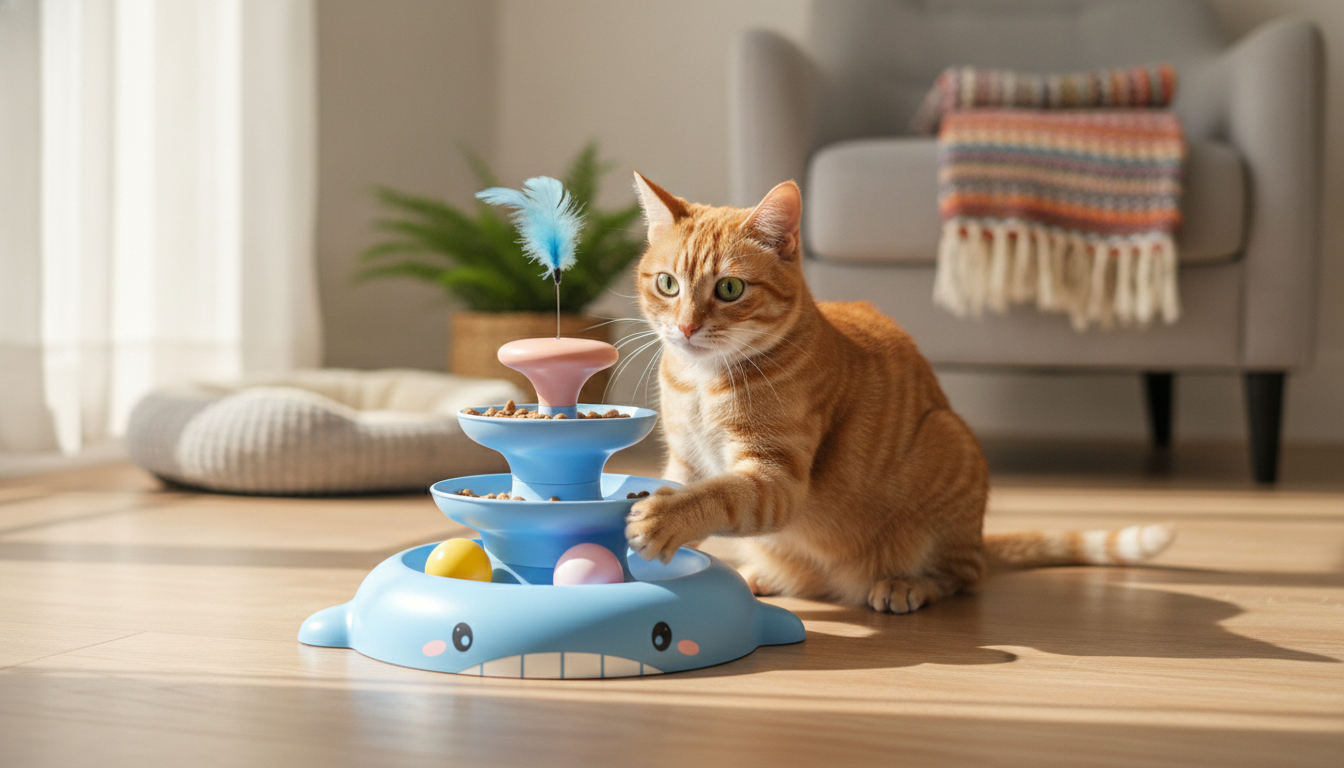
Cat Swing Feeder Toy: playful slow-feeding for happier, healthier mealtimes
A swing-style feeder turns snack time into an engaging game: cats bat, nudge, and tap to release kibble or treats in small amounts. That combination of movement and controlled dispensing can support slower eating, reduce boredom, and add daily enrichment—especially for indoor cats that need more mental and physical activity. For more guidance, see cat for toys – Rice University.
What a swing feeder toy is and how it works
A cat swing feeder toy is a hanging or pivoting dispenser designed to move when your cat interacts with it. Instead of eating from a still bowl, your cat uses natural hunting-style behaviors—pawing, swatting, and nudging—to make the feeder swing and drop a few pieces at a time. For further reading, see Pet Feeder Cat Toy Pets Leaking Food Ball Self-Playing Tumbler ….
- Bat-and-release design: Movement triggers small bursts of food, rewarding your cat for tapping and problem-solving.
- Built-in pacing: Dispensing in short bursts can slow down fast eaters and make treats last longer.
- More interesting than a static bowl: The unpredictable motion keeps many cats engaged longer than food that never “moves back.”
- Great for solo enrichment: It offers a self-led activity when you’re busy, while still reinforcing play with a tangible reward.
For cats that need more daily stimulation, enrichment feeders align with widely recommended environmental enrichment strategies (see ASPCA guidance on cat enrichment).
When a swing feeder toy helps most
This type of feeder isn’t just a “cute toy.” It can be a practical tool for shaping healthier routines—especially when it’s used with measured portions and introduced gradually.
- Indoor cats needing extra stimulation: Adds “hunt and work” time to the day without requiring a big play area.
- Cats that eat too quickly: Encourages pauses between bites instead of inhaling a full portion at once.
- Snack-happy cats: Turns treats into a longer activity rather than a quick calorie spike.
- Multi-cat homes: Can serve as a separate enrichment station (best with supervision to prevent resource guarding).
- Apartment living or rainy days: Provides movement and engagement in a small footprint.
If part of your goal is overall nutrition consistency, it helps to keep meal structure steady and use enrichment feeding as a “portion of the plan,” not an add-on (see Cornell Feline Health Center feeding basics).
Getting started: setup, fill level, and first sessions
The first week matters. When the toy feels too hard too soon, some cats walk away; when it’s easy enough to “win,” curiosity builds quickly.
- Placement: Choose a stable mounting point and a clear swing zone so it won’t hit breakables or startle your cat.
- Start easy: Use larger, aromatic treats or a small portion of kibble that fits the dispenser opening well.
- Short intros: Begin with 2–5 minute sessions so your cat stops while still interested.
- Reward early interaction: If your cat sniffs, touches, or gives one tentative tap, allow a few quick releases so the connection is obvious.
- Build routine: Offer it at a consistent time (often right before a meal) to encourage regular engagement.
Quick-start plan for the first week
| Day | Difficulty | Food choice | Goal |
|---|---|---|---|
| 1–2 | Very easy | High-value treats | Teach that tapping releases food |
| 3–4 | Easy | Treats + some kibble | Increase pawing and persistence |
| 5–6 | Moderate | Mostly kibble | Slow feeding with longer engagement |
| 7 | Adjust | Portion-controlled kibble | Find the best fill level and pace |
Portion control and healthy use
A swing feeder works best when it supports your cat’s overall feeding plan rather than quietly adding extra calories. The simplest approach is to measure first, then fill.
- Treat budgeting: Measure the day’s treats and use only that amount in the toy to prevent accidental overfeeding.
- Meal supplementation: Use the toy for a portion of daily kibble rather than adding more food on top of meals.
- Time limits: If frustration spikes (vocalizing, frantic biting, or giving up), reduce difficulty and end on a successful release.
- Hydration and regular meals: The toy complements—never replaces—fresh water and balanced meal access.
- Weight management: Choose lower-calorie treats and stretch a measured portion over more time (see AAHA weight management guidelines).
Safety, materials, and cleaning basics
Because this feeder swings and gets batted, a few safety checks keep play positive and predictable.
Troubleshooting: if a cat ignores it or gets too intense
Recommended add-ons for a complete routine
- Enrichment + rest: After active feeding play, many cats settle more easily with a designated nap spot like the Cozy Pet Bed for Cats and Small Dogs.
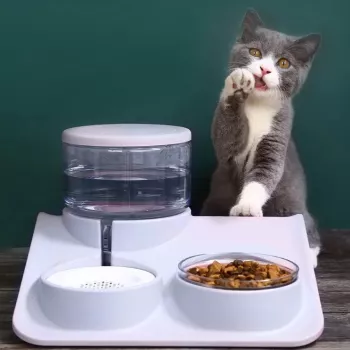
- Predictable schedules: For steady baseline meals, the 1.8L Automatic Pet Feeder and Water Dispenser Set for Cats and Dogs can help maintain routine while enrichment feeders handle “work-for-food” portions.
- Rotate activities: Alternate swing feeding with wand play and short training sessions to keep novelty high.
- Calm-down ritual: End with a small measured snack and a quiet resting area to reduce post-play overstimulation.
Cat Swing Feeder Toy at a glance
Product details
| Item | Details |
|---|---|
| Product | Cat Swing Feeder Toy |
| Price | 27.49 USD |
| Availability | In stock |
| Product page | https://jouvella.com/cat-swing-feeder-toy/ |
FAQ
Can a swing feeder toy replace a regular food bowl?
No. It works best as an enrichment feeder for treats or a measured portion of a meal, while your cat still needs consistent access to balanced meals and fresh water.
Is it suitable for kittens or senior cats?
Often yes, with supervision and an easier setup (lower height, gentle swing, and appropriately sized treats). Skip or pause use if dental pain, arthritis flare-ups, or frustration make the activity uncomfortable.
How often should it be cleaned?
Empty leftovers daily, and wash it regularly based on how often it’s used and whether you’re dispensing oily treats or dry kibble. Regular cleaning helps prevent buildup, odors, and stale food residue.









Leave a comment