
Adjustable Ultrasonic Dog Whistle for Calm Bark Control
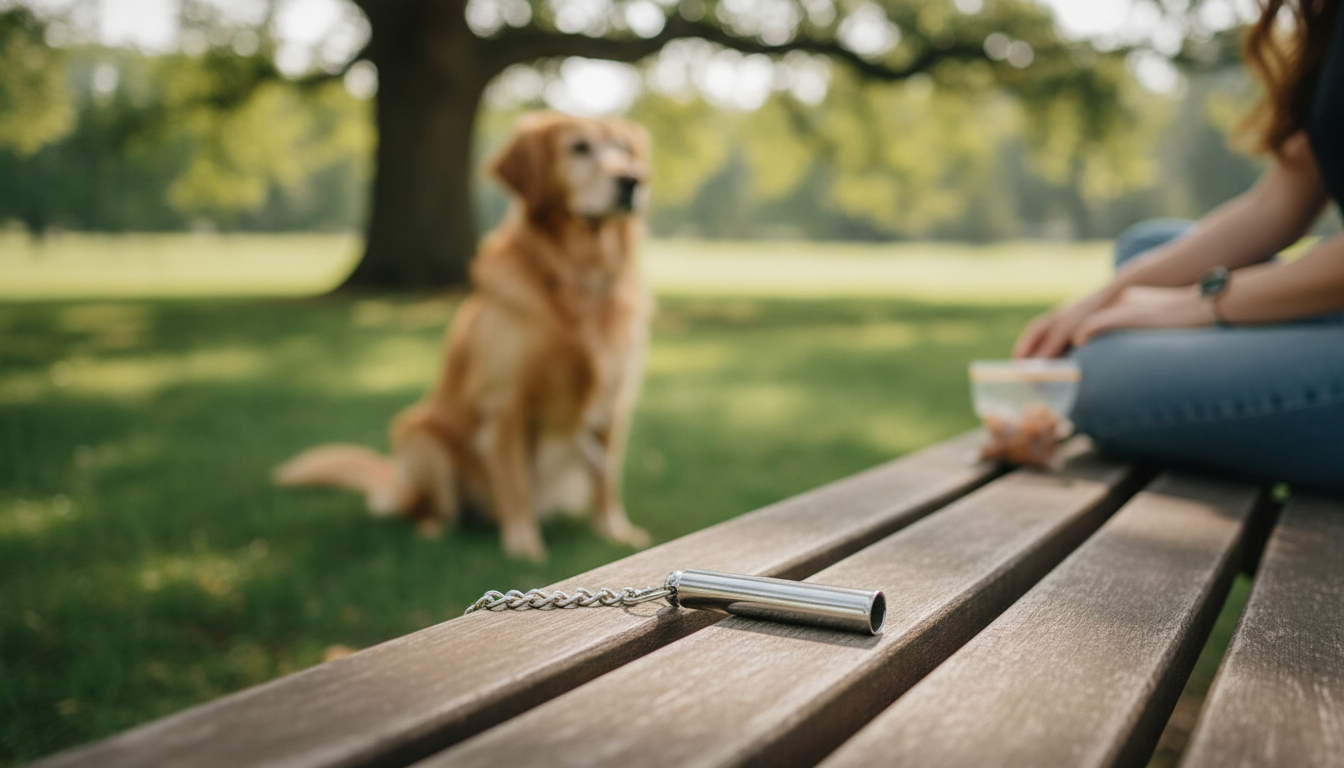
Ultrasonic Dog Training Whistle with Adjustable Sound Frequencies for Barking Control
An adjustable ultrasonic dog whistle can help reduce nuisance barking by giving a consistent, non-verbal cue that’s easy to repeat across rooms or outdoors. The best results come from pairing the sound with clear timing, rewards for quiet behavior, and a step-by-step plan that fits the reason the dog is barking. The Adjustable Ultrasonic Dog Whistle is an effective tool for this purpose.
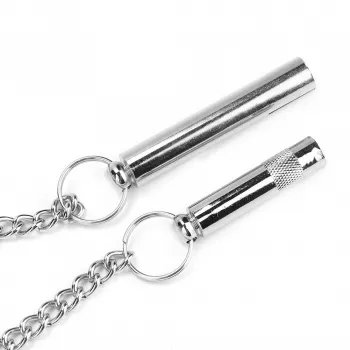
If you’re looking for a simple tool to support calmer communication, the Ultrasonic Dog Training Whistle with Adjustable Sound Frequencies for Barking Control is designed to let you tune the frequency to what your dog responds to, then use that sound consistently as part of a humane training routine. This Adjustable Ultrasonic Dog Whistle enhances the training experience and promotes positive behavior.
What an Adjustable Ultrasonic Dog Whistle is (and what it isn’t)
An ultrasonic training whistle is a small handheld whistle that emits a high-frequency tone; many dogs hear it clearly even when humans barely notice it. That makes it useful as a cue for attention, recall, and “quiet,” especially when voice commands get ignored amid excitement, distance, or background noise.
At the same time, it’s not a “stop barking instantly” device. The whistle works best when it becomes a learned signal that predicts something good (like a treat, praise, or a quick game) and guides your dog into a calmer, alternative behavior. It’s also not a substitute for addressing underlying causes of barking such as boredom, fear, separation distress, or lack of exercise. For humane, reward-based guidance, see the American Veterinary Society of Animal Behavior (AVSAB) position statements.
Why adjustable sound frequency matters
Dogs vary in sensitivity across high-frequency ranges, and that sensitivity can also change with age and environment. Adjustability helps you find a tone that gets attention without causing stress, which is exactly what you want for barking control: clear communication, not intimidation.
A tunable whistle can reduce the need to blow harder or repeat constantly—two habits that can make training messy and frustrating. Adjusting the tone can also help prevent the dog from becoming “tone-blind” if a single frequency is overused. Best practice is to start at a moderate setting, test briefly, and only adjust as needed based on the dog’s response.
Finding a workable whistle setting
| Goal | Dog’s response | Adjustment to try | Next training step |
|---|---|---|---|
| Get attention | Looks toward handler, ears perk | Keep current setting | Mark and reward attention immediately |
| Get attention | No reaction after 2–3 short blows | Slightly adjust frequency and retest | Reinforce any glance or pause |
| Reduce barking | Startles, hides, or shows stress | Lower intensity/frequency and increase distance | Switch to calmer setup; reward quiet |
| Reduce barking | Stops barking for 1–2 seconds | Keep setting consistent | Mark quiet, reward, then ask for an alternate behavior |
A simple training plan for barking control
Keep the plan simple enough that you can repeat it the same way every day. Consistency is what turns a sound into a reliable cue.
- Choose a marker: a clicker or a consistent word (e.g., “yes”) to pinpoint the moment the dog is quiet.
- Teach the whistle cue away from barking triggers: in a quiet room, blow once, mark when the dog looks at you, and reward.
- Add the “quiet” moment: wait for a natural pause in barking, blow once, mark the silence, and reward quickly.
- Introduce an alternate behavior: after the whistle, cue “sit,” “touch,” or “go to mat” so the dog has a clear job.
- Keep sessions short: 2–5 minutes, multiple times per day, ending before frustration builds.
- Gradually increase difficulty: move from quiet rooms to mild triggers (door sounds) to real-world situations.
For additional training ideas focused on reducing barking without escalating arousal, the American Kennel Club’s barking guide is a helpful reference.
Timing, distance, and consistency
Timing matters more than volume. Aim to use the whistle at the start of barking (before it ramps up) or during a brief pause, then reward the quiet immediately. If the dog learns that silence makes good things happen, you’ll see longer pauses and fewer outbursts over time.
Humane use and safety notes
Limit exposure to short bursts, then follow with a reward and a break. This helps prevent stress and reduces the chance your dog becomes desensitized to the sound. If barking is sudden, extreme, or connected to pain, disorientation, or cognitive changes, consult a veterinarian to rule out medical causes. For broader welfare-focused guidance, the RSPCA dog training advice is a useful resource.
Common barking scenarios and what to do next
Care, storage, and getting reliable performance
Helpful add-ons for a calmer routine
- Stable feeding setup: a consistent station can reduce mealtime excitement and demand barking. Consider the Hanging Stainless Steel Pet Bowl to keep feeding areas tidy and predictable.
- Comfort-focused coat care: regular grooming can reduce irritation that contributes to restlessness. The Pet Hair Remover Comb makes quick coat maintenance easier between baths.
- Fresh water access: reliable hydration supports steadier daily rhythms. For cat households (or mixed homes), the 1.5L Automatic Cat Water Fountain helps keep water appealing and available.
FAQ
Will an Adjustable Ultrasonic Dog Whistle work for every dog?
No—hearing sensitivity varies by dog, age, and environment. Adjustable frequency helps you find a tone your dog notices, but results still depend on training, rewards, and using the cue in a way that doesn’t create stress.
How long does it take to reduce barking with a whistle?
Many dogs show early improvement within days, but reliable barking reduction typically takes a few weeks of consistent, short practice sessions. Progress depends on the cause of barking and whether triggers like boredom, fear, or under-exercise are also addressed.
Can the Adjustable Ultrasonic Dog Whistle be used with puppies or older dogs?
Yes, with gentle exposure and a low-to-moderate setting. Puppies often learn quickly, while older dogs may have hearing changes—start softly, watch comfort closely, and consult a vet if you suspect hearing loss or sudden behavior changes.









Leave a comment