
Calm Dog Nail Trimming Checklist for Safe At-Home Trims
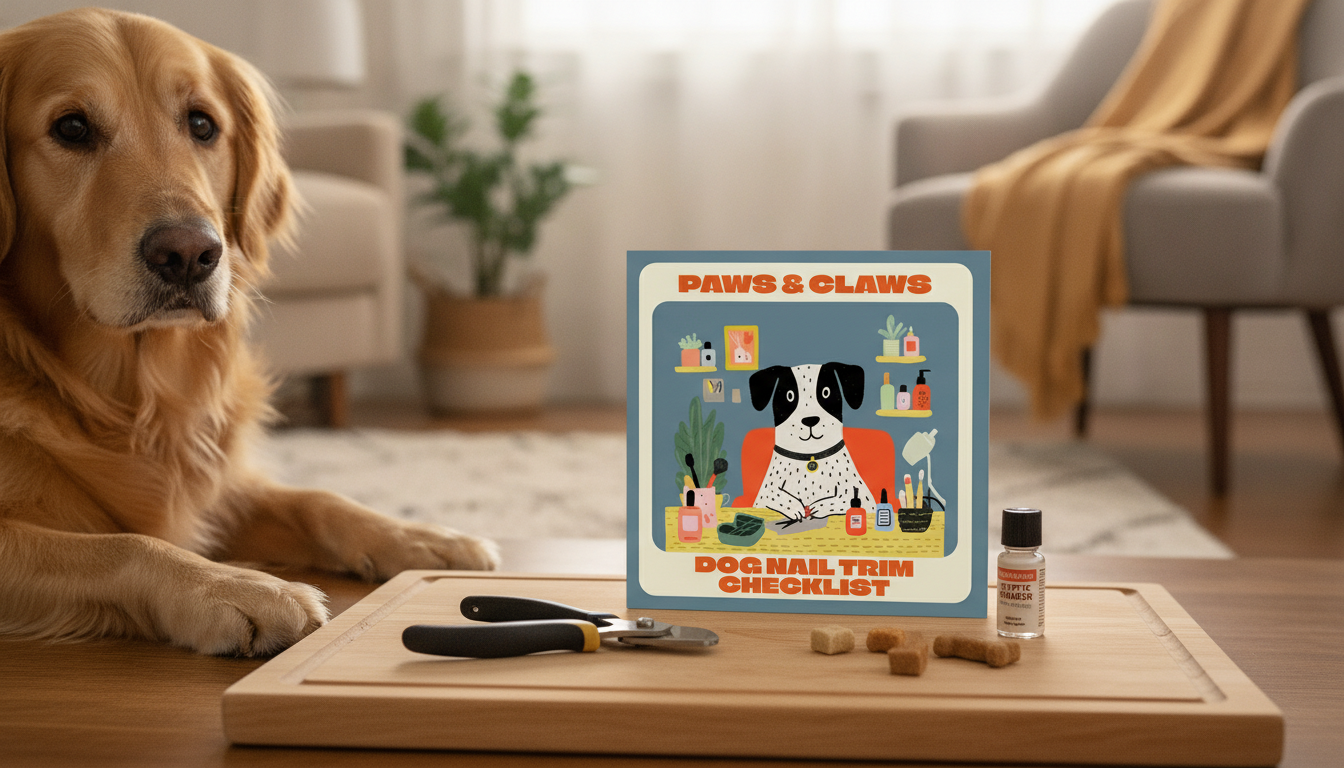
Paws & Claws: The Ultimate Dog Nail Trim Checklist for Calm, Safe Trims at Home
A simple, repeatable nail-trim routine can prevent painful overgrowth, protect floors, and make grooming feel predictable for both dog and handler. The goal isn’t “perfectly short nails” in one sitting—it’s calm, controlled progress that builds trust session after session. If you want a ready-to-follow routine you can keep with your grooming kit, check out Paws & Claws: The Ultimate Dog Nail Trim Checklist for an easy, repeatable framework. For more guidance, see How to clip a dog’s nails – WSU Veterinary Teaching Hospital.
Why nail trims matter more than aesthetics
Regular nail care is a comfort and mobility issue, not a cosmetic one. When nails get too long, they can shift paw posture and add strain to toes, wrists, and joints—especially in active dogs who pivot and sprint, and senior dogs who already have stiffness. For further reading, see Best Dog Nail Clippers and Grinders – Consumer Reports.
- Overgrown nails can change the way a dog stands and walks, increasing wear on joints over time.
- Long nails are more likely to snag on rugs, crack, split, or break—often painful and sometimes a pathway for infection.
- Clicking on hard floors is a common “time to trim” clue, but some dogs need trims before clicking starts (especially lightweight dogs or dogs on carpet).
- Frequent, conservative trims can encourage the quick to recede gradually, making future sessions easier and safer.
Pre-trim checklist: set up for a low-stress session
Most nail-trim stress comes from feeling rushed, underprepared, or wrestling a wiggly dog. A calm setup makes a bigger difference than “stronger restraint.”
- Pick a quiet spot with good lighting; avoid busy entryways or high-traffic rooms.
- Trim when your dog is naturally calmer (after a walk, play session, or a meal).
- Prepare high-value rewards (soft treats, a lick mat, or a favorite toy) and use them frequently.
- Have styptic powder or cornstarch ready before starting; keep clean gauze nearby.
- Check paws for redness, cracks, swelling, or foreign objects; postpone and contact a vet if anything looks concerning.
- Practice brief paw handling on non-trim days (touch, reward, release) to build comfort.
Quick setup checklist
| Item | Why it helps | Ready? |
|---|---|---|
| Bright light or headlamp | Improves visibility of the quick and nail tip | ☐ |
| Nail clippers or grinder | Primary trimming tool | ☐ |
| Styptic powder/cornstarch + gauze | Stops minor bleeding quickly | ☐ |
| High-value treats | Reinforces calm behavior and cooperation | ☐ |
| Non-slip mat or towel | Prevents slipping and reduces anxiety | ☐ |
| Calm restraint plan | Avoids wrestling and sudden movements | ☐ |
Choosing tools: clippers vs. grinders
The best tool is the one you can use steadily and confidently while keeping your dog relaxed. Both options work well when used correctly.
- Scissor-style or guillotine clippers can be fast and effective when kept sharp and used with a steady technique.
- Grinders remove small amounts gradually, which can be especially helpful for dark nails or if you prefer more control.
- For thick nails, heavy-duty clippers or a grinder may be more comfortable than forcing a small clipper through dense nail.
- Keep tools clean and sharp—dull blades can crush the nail and increase discomfort.
- Optional add-ons: a nail file for smoothing edges, a headlamp, and (for very small dogs) a grooming hammock, only if your dog truly tolerates it.
For a full grooming routine beyond nails—especially in heavy-shedding seasons—keeping a de-shedding tool handy can help your dog stay comfortable between appointments. The Pet Hair Remover Comb is a simple add-on to a home grooming kit.
Step-by-step trimming routine (the calm, repeatable method)
Think “tiny steps, frequent rewards.” The fastest path to long-term success is to stop before frustration builds.
If you’d like veterinary-backed context on nail care and why gradual trimming matters, see VCA Animal Hospitals: Nail Trimming in Dogs.
Dark nails: a safer approach when the quick is hard to see
If you cut to the chase: what to do immediately
How often to trim and how to tell it’s time
Stress-free handling tips for sensitive dogs
For broader at-home grooming guidance, the ASPCA’s grooming overview is a solid resource: ASPCA: Grooming Your Dog.
Printable checklist: keep trims consistent
If you want a ready-made version you can print and reuse, Paws & Claws: The Ultimate Dog Nail Trim Checklist is designed for quick sessions and consistent progress—especially helpful in multi-dog households where each dog may need a different schedule.
FAQ
How short should dog nails be trimmed?
Trim the nails so they don’t touch the floor when your dog stands naturally. Leave a small safety margin from the quick, and on dark nails, take thin slices (or use a grinder) to avoid cutting too close.
How often should dog nails be trimmed?
Most dogs need a trim every 2–6 weeks, depending on activity level and how much natural wear they get on walks. Dewclaws and indoor dogs often need more frequent maintenance.
What should be done if a dog’s nail bleeds during trimming?
Apply styptic powder with firm pressure for 30–60 seconds; if you don’t have it, cornstarch can help in a pinch. Prevent licking until the bleeding stops, and contact a vet if the bleeding continues or your dog seems unusually in pain.









Leave a comment