
Cat Grooming for Beginners: Easy Routine + Checklist
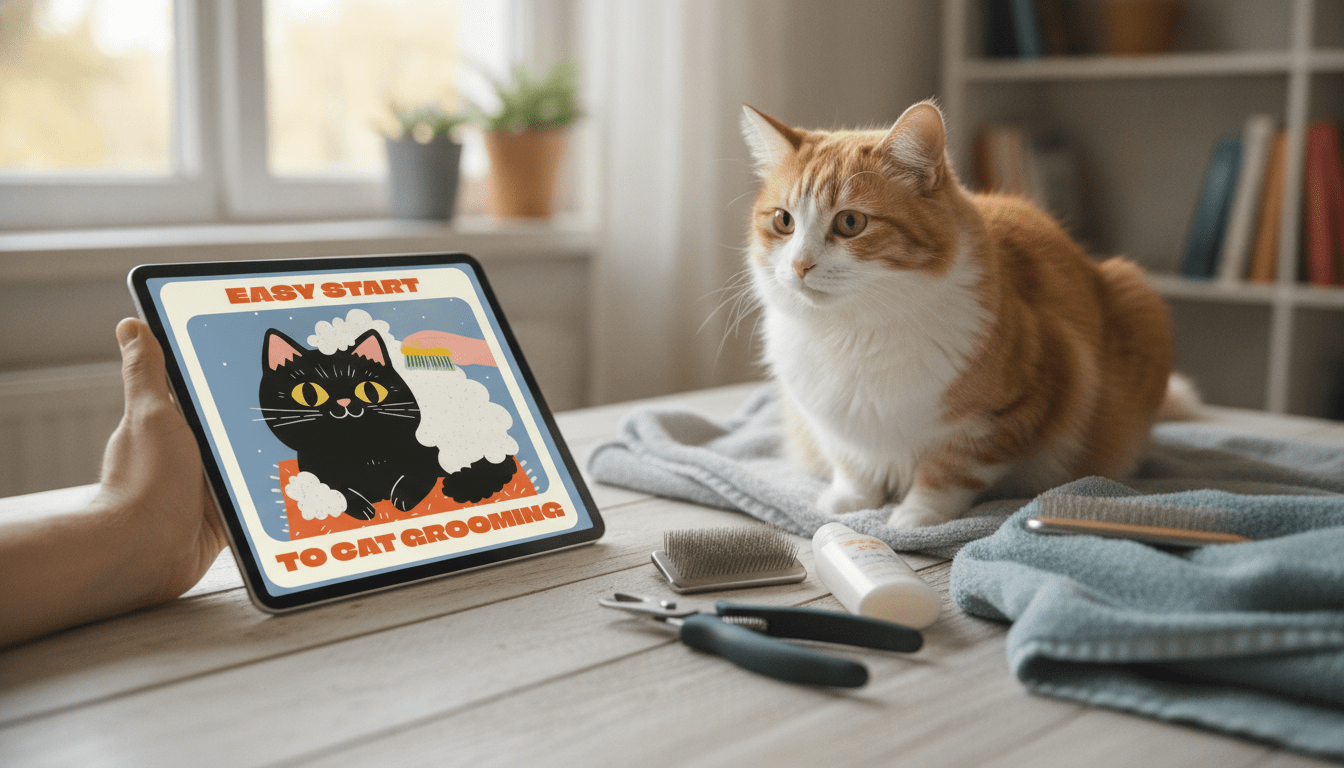
Easy Start to Cat Grooming: A Beginner Routine You Can Stick With
A calm, consistent grooming routine keeps coats healthier, reduces shedding and hairballs, and helps you spot small issues before they turn into big ones. The easiest way to build the habit is to keep early sessions short, use the right tools, and follow a simple weekly plan. Below is a beginner-friendly approach that focuses on comfort first—because a cooperative cat beats a “perfect” groom every time.
What “good grooming” looks like for a new cat
For beginners, “good grooming” means your cat stays relaxed enough that you can repeat the routine tomorrow. Aim for progress, not perfection.
- Keep sessions short at first: 2–5 minutes, ending on a calm note.
- Prioritize comfort over results: gentle handling builds long-term cooperation.
- Watch body language: ears back, tail flicking, growling, or stiff posture means pause.
- Use grooming time as a quick health check: skin, ears, eyes, nails, mouth, and lumps.
- Reward the routine: quiet praise, a favorite treat, or a short play session afterward.
If you’re ever unsure what’s normal, reputable references like the ASPCA Cat Care library can help you compare what you’re seeing to general guidelines.
Set up a stress-free grooming space
Environment matters more than most people expect. A cat that feels secure is far less likely to squirm, swipe, or bolt.
- Choose a quiet room with a non-slip surface (bath mat or folded towel).
- Groom when your cat is naturally calm (often after a meal or a play session).
- Keep tools within reach before starting to avoid interruptions.
- Try “micro-sessions”: one task per session (brush only, nails another day).
- If needed, use a gentle towel wrap for stability—never restrain tightly or forcefully.
Beginner tools and what each one is for
You don’t need a huge kit. You need a few basics that match your cat’s coat and your comfort level.
- Brush/comb basics: a soft slicker or rubber curry for short coats; a stainless comb for medium/long coats.
- De-matting caution: tight mats can hide skin injury; avoid scissors close to skin.
- Nail care: cat nail clippers (scissor or guillotine style) and styptic powder for accidents.
- Ear and eye basics: cotton pads for wiping; only vet-approved ear cleaner when needed.
- Dental starter: cat toothbrush or finger brush plus enzymatic cat toothpaste (never human toothpaste).
Tool checklist for first-time cat grooming
| Tool | Best for | Beginner tip |
|---|---|---|
| Soft brush or rubber grooming mitt | Short coats, shedding control, bonding | Start with 3–5 slow strokes, then reward |
| Metal comb (wide + fine teeth) | Medium/long coats, checking for tangles | Comb in sections; stop if the comb catches |
| Cat nail clippers | Safe nail trims | Trim only the sharp tip; avoid the pink quick |
| Styptic powder/cornstarch | Stopping minor nail bleeding | Apply gentle pressure for 30–60 seconds |
| Cotton pads | Wiping eye corners and outer ear folds | Use a fresh pad per eye/ear side |
| Enzymatic cat toothpaste + brush | Dental hygiene | Let the cat lick paste first; brush a few teeth at a time |
A simple grooming schedule (daily, weekly, monthly)
Consistency beats intensity. A lightweight schedule keeps shedding manageable and makes nail trims less dramatic.
- Daily (optional, 1–2 minutes): quick brush on favorite areas; check for debris on paws and tail.
- Weekly: full-body brush/comb, quick ear/eye look, feel for bumps, check coat for dandruff or fleas.
- Every 2–4 weeks: nail trim cadence varies by cat activity level and scratching access.
- Occasional baths: only when truly needed (greasy coat, medical reason, or heavy soiling).
- Adjust by coat type: long-haired cats often need more frequent detangling; seniors may need extra help.
For general health guidance and when to seek professional care, the Cornell Feline Health Center is a solid, vet-backed resource.
Step-by-step: brushing without pulling or fighting
Think of brushing like a mini-massage, not a chore. You’re teaching your cat that grooming predicts good things.
Nail trimming basics (safe and quick)
Common beginner problems and how to handle them
If you’re seeing symptoms like ongoing ear irritation, persistent discharge, or repeated vomiting, pet-care guidance from the American Veterinary Medical Association (AVMA) can help you decide when it’s time to call your veterinarian.
Using a printable checklist to stay consistent
If you want a ready-to-use tracker, grab the Easy Start to Cat Grooming printable checklist (digital download) and keep it right by your grooming tools.
Hydration also supports skin and coat quality; if your routine includes travel days or you’re encouraging more water intake, the Collapsible portable pet bowl for travel and hydration routines makes it easier to offer water consistently.
FAQ
How often should a beginner groom a cat?
Start with 1–2 brushing sessions per week for short-haired cats and 3–7 sessions per week for long-haired cats, then adjust for shedding season and your cat’s tolerance. If your cat is nervous, do micro-sessions (2–5 minutes) and build up gradually over a few weeks.
Do cats need baths if they already groom themselves?
Most cats don’t need routine baths because they self-groom effectively. Baths are mainly helpful for heavy soiling, greasy coats, certain medical issues, or when a vet recommends it; use cat-safe shampoo and keep the experience brief and warm.
What should be avoided when grooming a cat at home?
Avoid cutting mats with scissors near the skin, deep ear swabbing, using human toothpaste, forcing restraint, and pushing through signs of pain or panic. If you notice strong ear odor, swelling, repeated vomiting, or sudden intolerance to touch, contact a veterinarian or a professional groomer.










Leave a comment