
Cozy Cat Bed and Mat: Calm, Warm Naps Anywhere
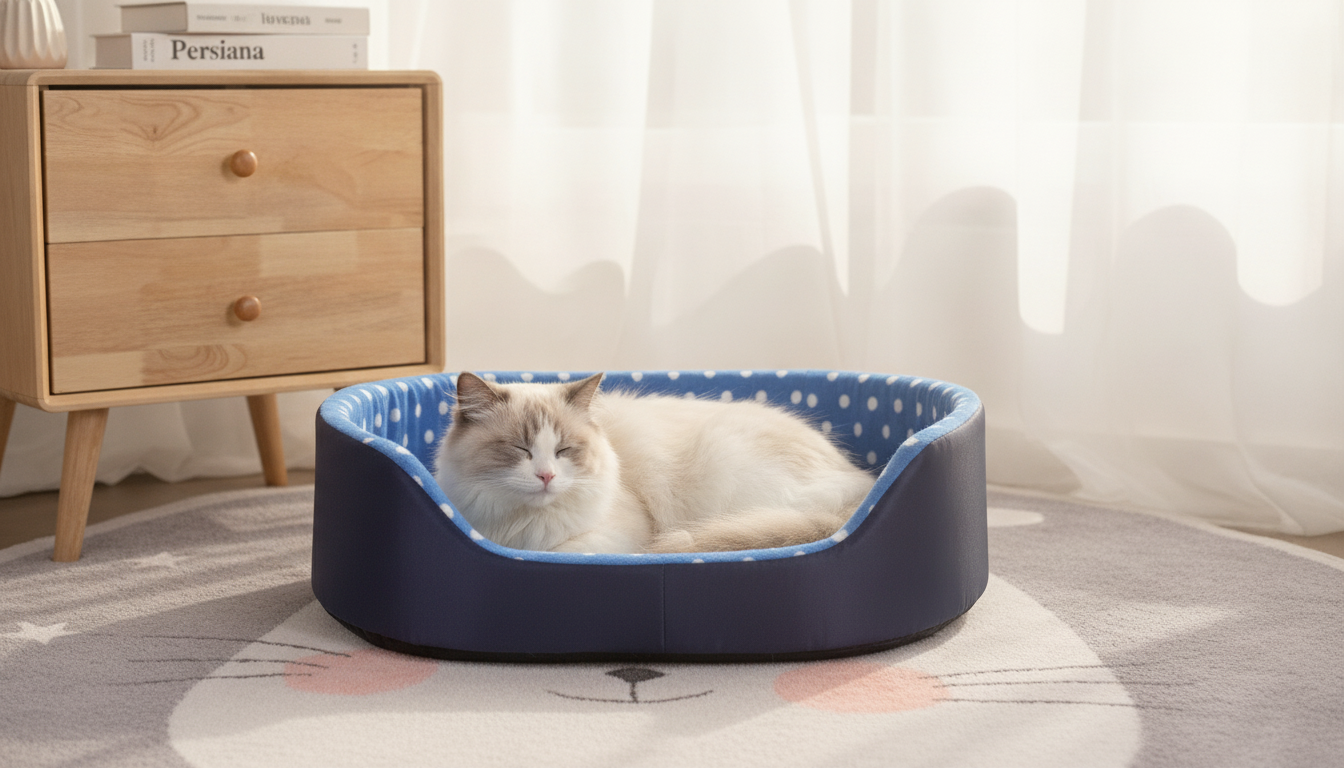
Cozy Cat Bed and Mat: A Soft Landing Spot for Naps, Lounging, and Quiet Corners
Cats look for warmth, familiar texture, and a sense of security when they settle down. A dedicated bed-and-mat setup can help protect furniture, reduce time spent on drafty floors, and create a predictable “safe zone” that supports calmer downtime—especially in busy homes with kids, visitors, or multiple pets. When a cat has a consistent place to rest, it’s often easier to keep favorite lounging areas tidy while giving them a spot that feels like their own.
What Makes a Bed-and-Mat Setup Comforting for Cats
- Warmth and insulation: Helps limit heat loss on tile or hardwood, and can be especially helpful near cooler windows.
- Surface feel: Soft, stable textures can encourage longer naps by reducing the “startle and relocate” cycle some cats get on slick surfaces.
- Defined personal space: A consistent resting zone can reduce stress and friction, particularly in shared spaces where cats may otherwise compete for the same chair or blanket.
- Floor protection: A mat catches shed fur and can help contain minor litter tracking in high-traffic cat routes.
Where It Fits Best at Home
Placement matters as much as the bed itself. The “best” spot is usually the place your cat already chooses—then refined to be safer, quieter, and more comfortable.
- Quiet corners: Ideal for timid cats and seniors who prefer low foot traffic.
- Near a window (but out of drafts): Sun access adds natural warmth and enrichment.
- Next to a radiator or vent (safe distance): Keeps the resting area cozy without overheating.
- Under a desk or side table: Creates a den-like feel for cats that like overhead cover.
- In multi-pet homes: Set up multiple resting stations so one cat can’t “claim” the only comfy option.
Placement ideas and what each spot helps with
| Placement | Best for | Tip |
|---|---|---|
| Sunny window area | Cats that love warmth and watching outdoors | Avoid direct drafts; rotate the bed to keep the surface evenly warmed |
| Bedroom corner | Nighttime snuggling without crowding the bed | Add a familiar blanket for scent comfort |
| Living room edge | Cats that want to be near people but not in the center | Face the bed toward the room so the cat can observe calmly |
| Under-desk nook | Shy cats or those that like “cave” zones | Keep cords tidy and ensure easy entry/exit routes |
| Entryway side | Cats that greet at the door | Use the mat to catch fur and keep a designated waiting spot |
Choosing the Right Size and Shape
Size is less about “small/medium/large” and more about how your cat actually sleeps. A good fit helps them fully relax without constantly repositioning.
- Measure curled-up length: Check your cat’s curled sleeping size and add extra room for comfortable shifting.
- Sprawlers need width: If your cat sleeps stretched out, prioritize a wider mat surface over a tight nest.
- Snug can feel secure: Many kittens and smaller cats settle faster in a slightly cozier space.
- Loafing plus stretching: A bed-and-mat combo works well when your cat alternates between compact loafing and full-body extension.
- Multi-cat households: Separate rest areas help reduce resource guarding and tension.
Comfort and Safety Details to Look For
- Non-slip bottom: Keeps the setup from sliding on smooth floors when your cat jumps in or kneads.
- Gentle materials: Softer fabrics can be easier on sensitive skin and help prevent avoidance.
- Supportive cushioning: Helpful for older cats or those with stiffness who may avoid hard surfaces.
- Low step-in height: Easier access for seniors, cats recovering from procedures, or pets who dislike climbing into tall sides.
- Simple design: Fewer loose attachments can reduce snagging or chewing risks.
Cleaning and Everyday Care
Helping a Cat Actually Use It
For more guidance on creating a comfortable environment, helpful references include the American Association of Feline Practitioners (AAFP), International Cat Care, and the ASPCA cat care resources.
Cozy Cat Bed and Mat: A Simple Resting Station Option
If you’re looking for a dedicated lounging surface that’s easy to place around the home, the Cozy Cat Bed and Mat offers a straightforward way to set up a consistent rest zone. It’s a practical pick for households that want to protect floors and furniture while giving a cat a predictable place to settle. It also makes a thoughtful gift for new cat owners building a comfortable home base.
Pairing with Everyday Essentials
- Water nearby (not too close): A water station near the rest area can encourage hydration after naps, but keep food and litter separate from the bed zone.
- Portable option for travel days: For car trips or vet visits, a packable accessory like a Collapsible Portable Pet Bowl can simplify routine and reduce stress.
- Consistent layout: Keeping the bed, play areas, and feeding zones in stable locations can help cats feel more secure and predictable in their space.
FAQ
How often should a cat bed or mat be cleaned?
Shake out fur and debris weekly and vacuum as needed to keep the surface appealing. Spot-clean right away after hairballs or accidents, and clean more often in multi-pet homes, during heavy shedding, or when allergies are a concern.
Why does a cat ignore a new bed?
New textures and unfamiliar smells can make a bed feel “wrong,” and placement in a noisy or high-traffic area can discourage use. Try placing it where your cat already naps, add a familiar cloth for scent comfort, and let your cat explore without being forced.
Where is the best place to put a cat bed in a small apartment?
Choose a quiet corner, an under-desk nook, or a sunny spot that’s protected from drafts. Keep it away from litter boxes and loud appliances so the resting area stays calm and inviting.











Leave a comment