
Elevated Ceramic Pet Bowl: Clean, Stable, Joint-Friendly
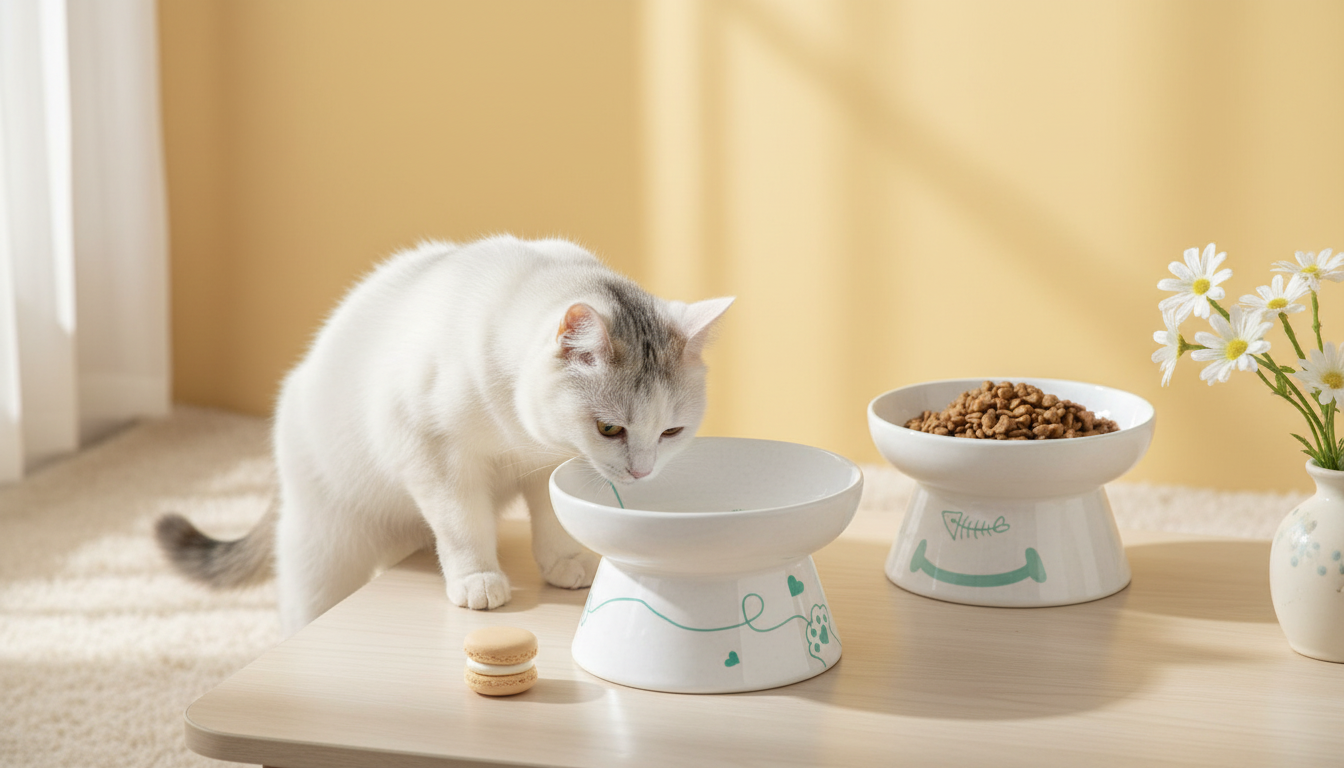
Elevated Ceramic Pet Bowl: Comfort-First Feeding With a Clean, Modern Look
An elevated ceramic bowl can make daily meals easier on a pet’s neck and joints while helping keep feeding areas tidier. Ceramic is also a popular choice for its weight, stability, and easy-to-clean surface—especially when paired with a raised stand that keeps food and water at a more comfortable height. For many homes, an elevated setup becomes a simple “set it and forget it” station that looks neat and feels practical from breakfast to last call for water.
Why an Elevated Ceramic Pet Bowl Can Help at Mealtime
Some pets naturally lean into a raised feeding position, and others benefit most as they age or slow down. The goal is comfort and steadiness—not forcing an awkward posture.
- Supports a more natural head-and-neck position for many pets, which can be especially helpful for seniors or pets with stiffness.
- Reduces the need to hunch down to the floor, which may improve comfort during longer meals or slower drinking.
- Helps keep bowls out of the main splash zone for some pets, potentially reducing mess around the feeding area.
- Creates a dedicated feeding “station” that’s harder to push across the floor than lightweight bowls.
For pets that tend to “chase” their dish across the kitchen, the combination of elevation and weight can mean fewer interruptions and less cleanup after every meal.
Elevated Ceramic Pet Bowl Benefits: Hygiene, Taste, and Stability
Ceramic bowls are often chosen for the same reasons people like ceramic in the kitchen: a smooth, substantial feel and straightforward cleaning. With pet food and water, that matters even more.
- Non-porous glazed ceramic is generally easy to wash and less likely to hold odors than porous materials.
- Heavier bowls can be harder for pets to tip or drag, which is useful for enthusiastic eaters.
- Ceramic typically doesn’t impart a metallic taste and can be a good option for picky drinkers.
- Look for smooth glazing and a sturdy base to reduce the chance of chipping and to simplify cleaning.
Food safety habits also play a role in keeping bowls fresh. For practical guidance on clean handling and storage around pet meals, the FDA’s tips for safe handling of pet food are a helpful reference point.
Choosing the Right Height and Capacity
Choosing an elevated setup is less about “one perfect height” and more about matching your pet’s build, flexibility, and eating style. A simple check: your pet should be able to eat and drink without crouching low or stretching the neck upward.
- Height should allow comfortable eating without extreme neck extension; a simple check is whether the pet can eat without crouching or straining.
- Capacity should match meal size and water needs—oversized bowls can encourage stale water if not refreshed often.
- For multi-pet homes, consider separate bowls or a second bowl to reduce guarding and speed-eating.
- If a pet is prone to gulping, pairing an elevated setup with portion control (and, when appropriate, a slow-feeding insert) can help pacing.
Quick guide to selecting an elevated bowl setup
| Pet size & habits | Suggested setup focus | Practical notes |
|---|---|---|
| Small pets or cats | Moderate elevation, stable base | Prioritize a compact footprint and easy dish removal for cleaning |
| Medium pets | Comfortable height with room for water | Check that the stand doesn’t wobble and the bowl diameter fits the muzzle comfortably |
| Large pets | Higher elevation, heavier materials | Choose a sturdier stand and a bowl that won’t slide inside the holder |
| Messy drinkers | Splash control + mat | Use a silicone mat under the station and refresh water often |
| Senior pets | Joint-friendly posture | Keep the station in a low-traffic spot to prevent bumps and slips |
If you’re adjusting a cat’s feeding routine or portioning meals, Cornell’s guidance on everyday feeding basics can be useful: Cornell University College of Veterinary Medicine: Feeding Your Cat.
Care and Maintenance for Elevated Ceramic Pet Bowl
Spotlight: Elevated Ceramic Pet Bowl
The Elevated Ceramic Pet Bowl is designed as a raised feeding option that combines ceramic’s weight and easy-clean surface with an elevated setup for more comfortable dining. It’s a strong fit for pet parents who want a stable, attractive feeding station that feels at home in modern interiors.
For a second feeding zone—like a travel kit or a backup for car rides—pairing a home station with the Collapsible Portable Pet Bowl helps keep routines consistent without adding extra bulk.
And if your feeding schedule includes quick potty breaks or post-dinner walks, a comfortable daily essential like the Handmade Cotton Pet Leash can round out a simple, coordinated set of pet basics.
When an Elevated Ceramic Pet Bowl Might Not Be Ideal
If you have a large, deep-chested dog and are concerned about bloat risk, it’s worth reviewing veterinary guidance and discussing your dog’s specific risk factors with a professional. The AKC overview is a useful starting point: AKC: Bloat in Dogs (Gastric Dilatation-Volvulus).
FAQ
Do elevated pet bowls help with digestion?
They can improve eating posture and comfort for some pets, but digestion and bloat risk are more complex than bowl height alone. For large, deep-chested dogs or pets with a history of GI issues, it’s best to discuss bowl setup with a veterinarian.
Are ceramic pet bowls safe for daily use?
Food-safe, intact glazed ceramic is commonly used for daily feeding. Wash bowls daily, inspect for chips or cracks, and replace any damaged ceramic to help prevent bacteria from collecting in rough areas.
How do you pick the right height for an elevated bowl?
A practical check is that your pet can eat and drink without crouching low or stretching the neck upward. Adjust based on size, comfort, and mobility, and ask your veterinarian for guidance if your pet has orthopedic pain or swallowing concerns.
Recommended for you
Waterproof Pet Raincoat Guide: Fit, Features & Care
Comments
[…] Large dogs generate leverage, so a stable, tip-resistant base and a heavy, easy-to-clean bowl can make daily feeding smoother. For more guidance on choosing a clean, stable, joint-friendly option (including elevated ceramic bowls), visit this elevated pet bowl guide. […]








Leave a comment