
Natural Separation Anxiety Training Plan for Dogs
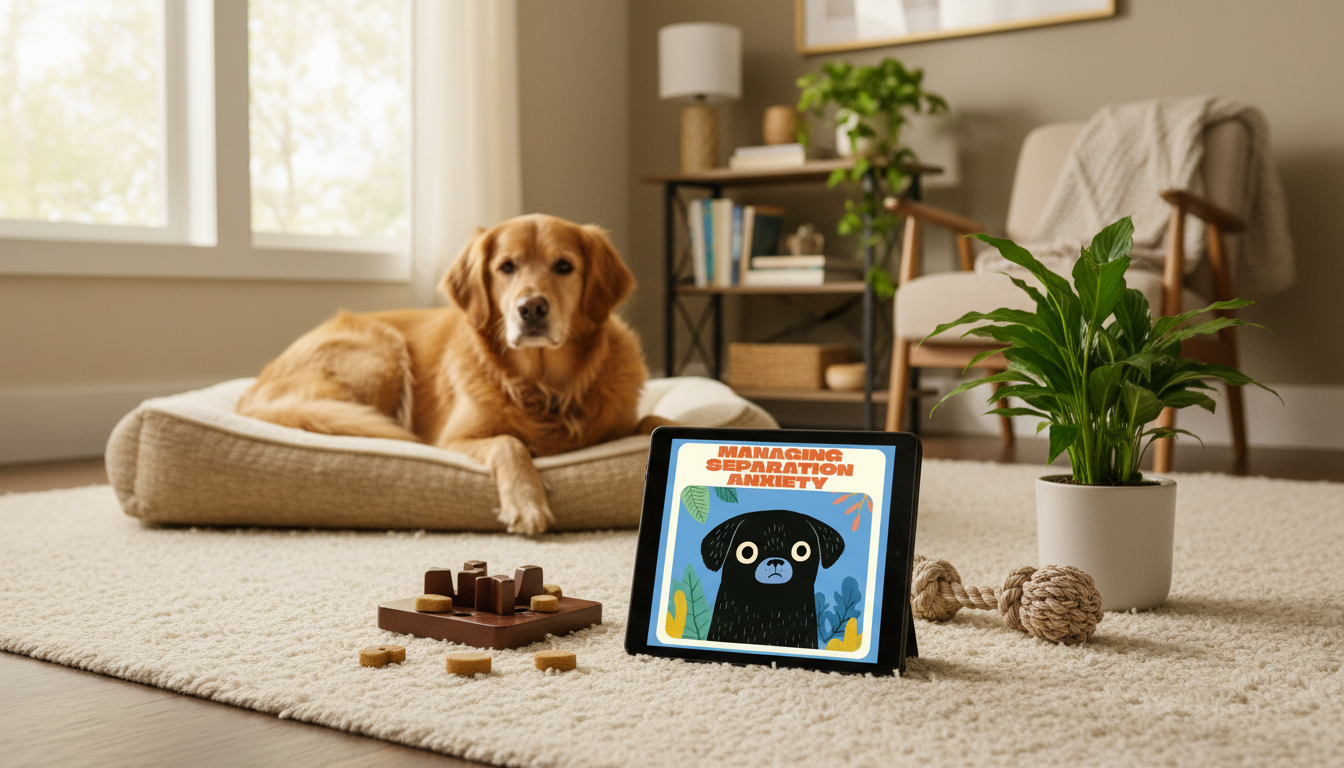
Managing Separation Anxiety in Dogs Naturally: A Step-by-Step Training Guide
Separation anxiety can look like barking, pacing, destruction, or accidents—often starting within minutes of being left alone. The most effective, natural approach combines understanding the triggers, building calm independence, and using training plans that increase alone-time gradually. This guide breaks down practical steps, common mistakes, and a simple schedule that fits real life.
What Separation Anxiety Looks Like (and What It Isn’t)
Separation anxiety is driven by distress, not “spite” or stubbornness. Common signs include vocalizing, scratching doors or windows, chewing, drooling, panting, escape attempts, house-soiling, and refusing food when alone.
Timing matters. Many dogs start escalating during departure cues (keys, shoes, bags) or within minutes after the door closes. That pattern is a clue that you’re dealing with anxiety rather than an “energy problem.”
It also helps to separate anxiety from boredom. A bored dog tends to explore, chew a toy, eat, then settle. An anxious dog struggles to self-soothe, may frantically scan for exits, and may not touch food at all.
Before training, rule out medical issues that can mimic these behaviors—urinary problems, GI upset, pain, or cognitive changes. A simple phone recording is one of the fastest ways to confirm patterns and severity.
Why It Happens: Triggers, Learning History, and Stress Load
Many cases start after a change: moving, a new job schedule, adoption or rehoming, loss of a person or pet, or a stressful event. Over time, departure cues become predictors—keys and jackets can trigger anxiety before the dog is even alone.
Another factor is “stress stacking.” Lack of sleep, noisy environments, insufficient enrichment, or inconsistent alone-time practice can raise a dog’s baseline stress so the next departure pushes them over the edge. Some dogs are also more sensitive due to temperament, history, or genetics.
Progress hinges on one principle: keep training below the panic threshold. Panic is not “working through it.” Panic is rehearsal—and rehearsal strengthens the pattern.
Safety and Setup: Prevent Rehearsal of Panic
Preventing practice of anxiety behavior is a cornerstone of improvement. If your dog can’t stay calm during short absences, arrange coverage while training builds capacity (friend, family, sitter, or daycare). Even a few days of repeated panic can slow progress.
Create a calm “home base”: a comfortable bed or mat, fresh water, a safe chew, a stable temperature, and reduced sudden noise. Sound masking (low-volume white noise or calm music) can help if hallway sounds or outdoor noise spark alerting.
Confinement is individual. Some dogs relax in a crate because it’s predictable; others panic more (frantic pawing, heavy drooling, banging). Test carefully with very brief sessions and video so you can choose the safest option.
If you want a structured, printable plan that blends setup, cue work, and gradual absences, consider the Managing Separation Anxiety in Dogs – Comprehensive Guide & Training eBook | How to Manage Separation Anxiety in Dogs Naturally.
Natural Training Foundations: Calm Independence Without Flooding
Start by teaching relaxation when you’re home—so calm becomes a practiced skill, not something you only ask for when leaving. Reward calm postures on a mat or bed: hips rolled to one side, head down, soft eyes, sighing, or slow breathing. Quietly place a treat between your dog’s paws when you notice genuine relaxation.
Next, do “independence reps” inside the house. Step behind a baby gate, walk into another room, or close a door for one second—then return before your dog ramps up. Pair calm behavior with calm rewards. The goal is neutral separations, not a big emotional event.
Desensitizing Departure Cues (Keys, Shoes, Jackets)
Graduated Alone-Time Plan (A Practical Progression)
Example 7-Day Calm Alone-Time Schedule (Adjust to the Dog’s Threshold)
| Day | Sessions/Day | Target Absence Range | Success Marker |
|---|---|---|---|
| 1 | 4–6 | 5–20 seconds | Stays on mat; no pacing or whining |
| 2 | 4–6 | 15–45 seconds | Eats treat/chew; relaxed body |
| 3 | 3–5 | 30–90 seconds | Quiet; minimal checking the door |
| 4 | 3–5 | 1–3 minutes | Returns to resting after brief alert |
| 5 | 2–4 | 2–6 minutes | No stress panting; settles quickly |
| 6 | 2–4 | 5–12 minutes | Quiet; relaxed on video |
| 7 | 2–3 | 8–20 minutes | Stable calm across multiple reps |
Enrichment That Supports Calm (Not Hype)
Common Mistakes That Slow Progress
When to Get Professional Help
For additional guidance, see these authoritative resources: AVMA – Separation Anxiety in Dogs, ASPCA – Separation Anxiety, and Merck Veterinary Manual – Separation Anxiety.
A Structured Plan to Follow at Home
If you want a ready-made framework with exercises and tracking tools, the Managing Separation Anxiety in Dogs – Comprehensive Guide & Training eBook | How to Manage Separation Anxiety in Dogs Naturally can help you stay consistent and organized.
Compare related options such as Banana Shaped Cat Scratching Board to match features, dimensions, and use case before choosing.
FAQ
How long does it take to improve separation anxiety in dogs?
Many dogs improve over weeks to months, depending on severity, learning history, and how consistently training stays below the panic threshold. Going slowly and preventing panic rehearsal often makes progress faster and more stable.
Should a dog with separation anxiety be crate trained?
A crate helps some dogs feel secure but makes others panic more. Test with very short sessions and video; if you see frantic escape attempts, heavy drooling, or escalating distress, choose a different setup that keeps your dog calm and safe.
What are natural ways to calm a dog with separation anxiety?
Natural approaches focus on training and environment: relaxation on a mat, gradual alone-time practice, desensitizing departure cues, scent-based enrichment, and a predictable calm routine. Supplements can be supportive for some dogs, but severe cases often require a structured plan and veterinary guidance.










Leave a comment