
Pet Accessories Guide: Comfort, Safety & Enrichment
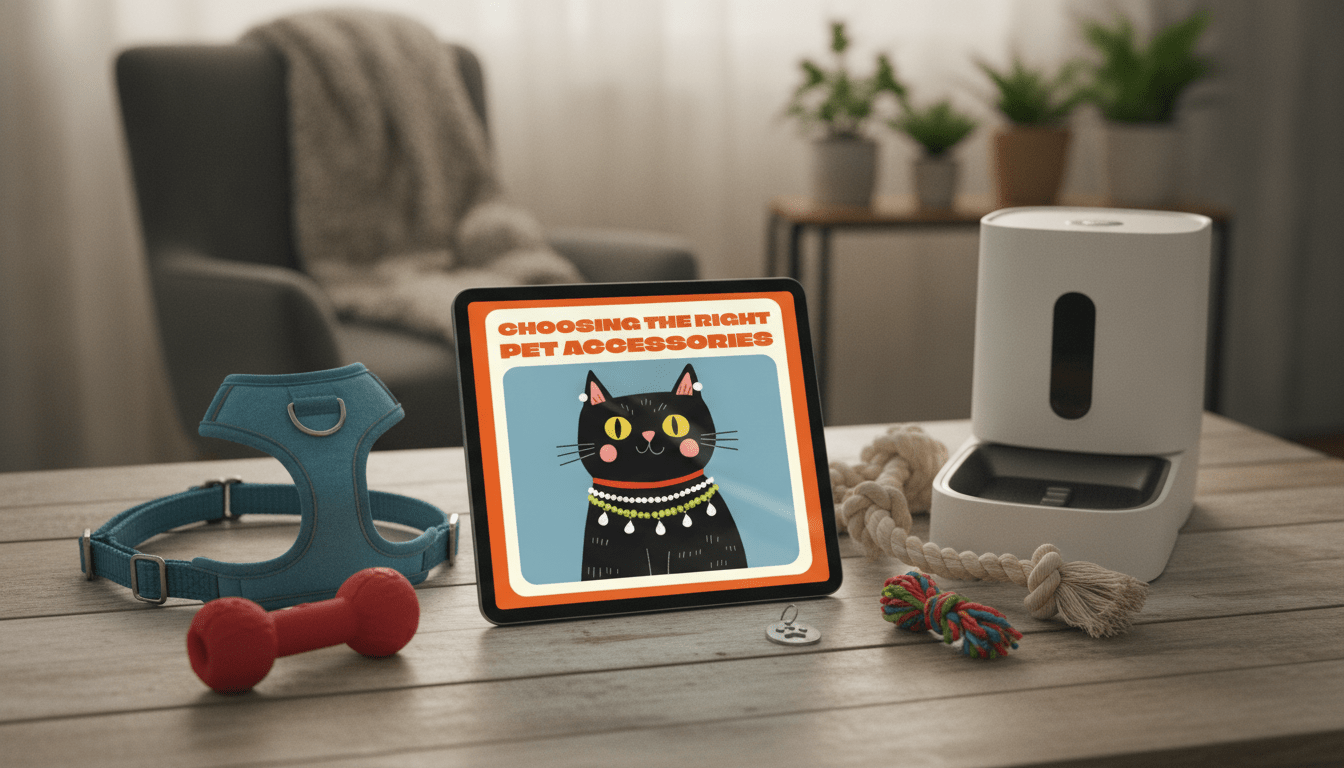
Choosing the Right Pet Accessories for Comfort, Safety, and Fun
The best pet accessories fit the animal in front of you: body shape, energy level, habits, and daily routine. A smart selection improves comfort, reduces risk, and adds enrichment—without wasting money on gear that doesn’t suit your pet’s needs.
Start With Your Pet’s Profile (Not the Product Shelf)
Before adding anything to your cart, anchor your choices to a clear “pet profile.” That profile keeps you from buying items that look good online but don’t hold up in real life.
- Confirm the basics: species, age, weight range, coat type, and any medical considerations like arthritis, anxiety, or allergies.
- Match accessories to lifestyle: apartment vs. yard, long walks vs. quick potty breaks, travel frequency, and local weather patterns.
- Notice behavior patterns: puller vs. loose-leash walker, strong chewer vs. gentle mouther, shy vs. social.
- Separate needs from extras: build a daily-use list (walk gear, feeding, rest, grooming) before “nice-to-have” items like costumes or novelty toys.
If your pet is new to your home, start simple and observe. The right accessories usually reveal themselves once you see how your pet moves, eats, and decompresses day-to-day.
Comfort First: Fit, Materials, and Everyday Wear
Comfort issues often show up as subtle changes: a pet slowing down on walks, scratching at straps, refusing to move, or developing thinning fur where gear rubs. Fit and materials matter more than a brand name.
- Use the manufacturer’s measurement guide: measure with a tape and choose based on the chart—avoid guessing by breed alone.
- Prioritize soft contact points: padded straps, smooth seams, and breathable fabrics help reduce irritation.
- Watch friction zones: behind elbows, armpits, and neck. Adjust to allow comfortable movement; many pets do well with a “two fingers of space” guideline where appropriate.
- Choose bowls with stability and safe materials: at home, prioritize a steady base and easy cleaning; for travel, look for lightweight options that resist spills.
- Plan for the season: cooling accessories for heat, insulating layers for cold, and paw protection when conditions call for it.
Quick Fit & Comfort Checklist
| Accessory | What to Measure/Check | Comfort Clues | Common Mistake |
|---|---|---|---|
| Collar | Neck circumference; two-finger space | No coughing; no hair breakage | Too tight or worn 24/7 without breaks |
| Harness | Girth/chest and neck; strap placement | No rubbing behind legs; free shoulder movement | Front strap sits on shoulder joint |
| Jacket/Hoodie | Back length + chest; leg openings | Warm but not restrictive; easy to sit/pee | Sizing up so it twists and trips |
| Bowl (home) | Height and stability; easy to clean | Less gulping; steady stance | Light bowl that skids and causes spills |
| Bowl (travel) | Foldability; leak resistance | Easy hydration on walks | Hard to dry, leading to odor/mildew |
Safety Essentials: Durability, Visibility, and Hazard Checks
Safety is partly about how strong an accessory is, and partly about how predictably it behaves when your pet lunges, twists, shakes, or chews. Build a quick habit of inspecting gear before high-activity use.
- Inspect hardware: look for strong stitching, secure D-rings, reliable buckles, and smooth edges that won’t cut skin.
- Avoid choking hazards: remove loose tags; skip accessories with easily detached pieces for determined chewers.
- Improve visibility in low light: reflective strips, bright colors, and optional clip-on lights can reduce risk near roads and sidewalks.
- Check chemical/material safety: choose pet-safe plastics or silicones, non-toxic dyes, and easy-to-clean surfaces for hygiene.
- Retire worn gear early: frayed leash fibers, cracked clips, stretched elastic, rusted hardware, or weakened seams are all replacement triggers.
For general pet safety guidance, the American Veterinary Medical Association (AVMA) and the ASPCA offer practical, veterinarian-informed resources.
Fun and Enrichment: Accessories That Reduce Boredom
Accessories can do more than entertain—they can lower stress, channel energy, and make daily routines smoother. The most effective approach is “few, but well-matched.”
When enrichment involves food, keep cleanliness top of mind; the FDA’s pet food safety information is a helpful reference for handling and hygiene basics that apply to feeding-related accessories.
Using AI Tools to Make Better Choices (Without Overcomplicating It)
Practical Picks From the Shop (Everyday, Travel, and Weather)
- Walking upgrade: a comfortable, dependable leash improves control and reduces hand fatigue on daily walks. Consider the Handmade cotton pet leash for a straightforward, everyday option.
- Hydration on the go: consistent water breaks are easier with a bowl that packs small. The Collapsible portable pet bowl is a practical add-on for walks, road trips, and park visits.
- Cold-weather layer: in windy or chilly conditions, a fitted outer layer can make outdoor time more comfortable. The Winter windproof dog hoodie jacket is designed for brisk-weather coverage without sacrificing mobility when sized correctly.
- Digital guide for confident choices: for a structured way to evaluate comfort, safety, and enrichment, use Choosing the Right Pet Accessories (digital guide).
Budgeting and Maintenance: Make Accessories Last Longer
FAQ
How can a pet accessory be checked for correct fit at home?
Use the brand’s size chart with tape measurements, then test movement by having your pet walk, sit, and lie down. After short sessions, check for rubbing or hair breakage and confirm the two-finger space rule where appropriate. Recheck fit after grooming, weight changes, or coat growth.
Which accessories are most important to buy first for a new pet?
Start with safety and daily essentials: a secure collar or harness, a reliable leash, an ID tag, and appropriate bowls. Add basic grooming tools next, then choose enrichment items and weather gear based on climate and your pet’s behavior.
What are the signs a leash, collar, or harness should be replaced?
Replace gear if you see fraying, cracked buckles, loose stitching, stretched straps, rusted hardware, or persistent odor that won’t wash out. If anything fails a gentle pull test or looks compromised, swap it immediately.










Leave a comment