
Pet Sherpa Vest: Warm Fleece for Small Dogs & Cats
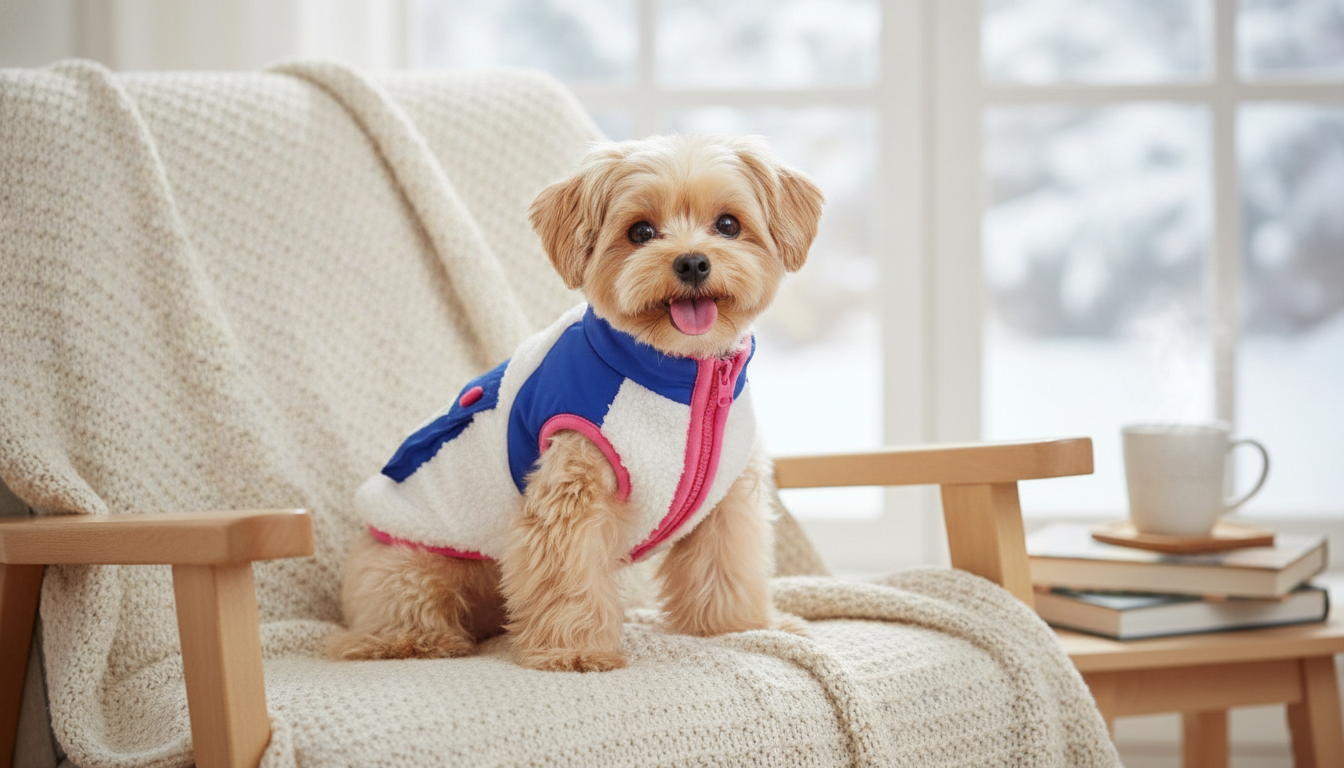
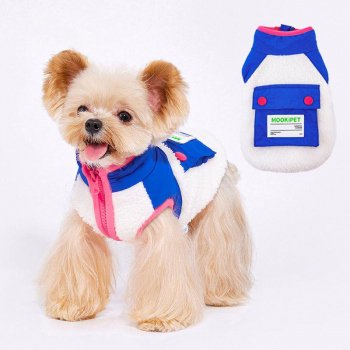
Pet Polyester Sherpa Vest: Cozy Fleece Warmth for Small and Medium Dogs and Cats
Cold walks, drafty rooms, and chilly mornings can be tough on smaller pets and short-coated breeds. A sherpa-lined vest adds an easy layer of insulation without restricting movement, helping dogs and cats stay comfortable during everyday routines like potty breaks, neighborhood strolls, and lounging at home.
When a sherpa vest helps most
Not every pet needs clothing, but a soft fleece layer can make a noticeable difference for animals that lose heat fast or feel the cold in their joints. A sherpa-style vest is especially useful in these common scenarios:
- Small dogs and toy breeds that lose body heat quickly
- Short-haired pets and seniors that get stiff in cool weather
- Pets that shiver on early-morning or evening outings
- Indoor pets in air-conditioned homes or near drafts and tile floors
- Cats that enjoy supervised patio time or travel in cool cars
Cold-weather clothing is a comfort tool, not a license to stay outside longer than is safe. For seasonal safety reminders, the AVMA’s cold weather pet safety guidance is a helpful baseline, especially for smaller pets.
What this sherpa vest is designed to do
A good vest should feel like a warm hug, not a heavy costume. The goal is steady warmth with a pet-friendly fit that doesn’t interfere with normal movement.
- Provide an insulating layer with soft sherpa-style fleece for warmth without bulky coats
- Offer a comfortable fit that supports normal walking, sitting, and playing
- Create a simple “grab-and-go” option for quick outings and short winter walks
- Work for both dogs and cats in the small-to-medium size range, especially pets that tolerate clothing well
Quick benefits at a glance
| Feature | Why it matters | Best for |
|---|---|---|
| Sherpa-style fleece lining | Traps warmth close to the body for cozy comfort | Chilly pets, seniors, short coats |
| Polyester outer layer | Lightweight, easy-care material for daily use | Everyday wear, travel, quick walks |
| Vest-style coverage | Warmth where it counts without full-body restriction | Pets that dislike sleeves or heavier coats |
| Simple layering piece | Pairs with harnesses/leashes (fit check recommended) | Owners who prefer minimal fuss |
Getting the right fit for dogs and cats
Fit is what makes a vest wearable. Too loose and it twists; too tight and it restricts breathing or rubs behind the front legs. Before ordering the Sherpa Vest, take two quick measurements and compare them to the product’s size chart.
- Measure chest girth first (widest part behind the front legs) and compare to the product size chart before ordering
- Measure back length (base of neck to base of tail) to ensure coverage without riding up
- Allow room for natural movement and breathing—snug but not tight around the chest and belly
- For cats, prioritize chest fit and flexibility; many cats prefer lighter layers and a shorter wear time
- Do a quick indoor trial: check for rubbing at the armpits, bunching near the neck, and any restricted stride
A good test is to clip on the leash (or harness) and encourage a few normal behaviors—walk, sit, turn, and step up on a low surface. The vest should stay centered and not slide into the armpits.
Comfort and safety checks before each wear
Even well-made clothing benefits from a 10-second check before heading out. Pets’ coats shift, straps sit differently, and seasonal conditions can change quickly.
- Skin and coat check: look for redness, matting, or pressure points after the first few uses
- Overheating check: remove the vest if panting increases indoors or the pet seeks cool surfaces
- Supervision for new wearers: some pets chew or paw at new clothing; redirect and keep sessions short
- Harness compatibility: if worn under or over a harness, confirm leash attachment points remain accessible and secure
- Weather reality: clothing helps, but it does not replace limiting time outdoors in extreme cold
If you’re unsure what “too cold” looks like, the ASPCA’s cold weather safety tips and the AKC’s overview of hypothermia in dogs outline warning signs like shivering, weakness, and slowed movement that should end an outing early.
Care tips to keep fleece soft and wearable
With routine care, sherpa-style fleece stays plush and comfortable through the season. The biggest enemies are heat, harsh detergents, and trapped hair buildup in the lining.
Pairing a warm vest with a cozy routine
Recommended picks from the same shop
- Pet Polyester Sherpa Vest – Fleece Warm Clothing for Small and Medium Dogs and Cats: a simple warmth layer for everyday cold-weather comfort.
- Cozy Pet Bed for Cats and Small Dogs: an easy way to add a warmer “home base” indoors, especially near tile floors or drafty areas.
- Cat Swing Feeder Toy: adds mental stimulation on days when outdoor time is limited, helping indoor pets stay engaged.
FAQ
How do you measure a dog or cat for a vest?
Use a soft measuring tape for chest girth (widest point behind front legs) and back length (base of neck to base of tail). Choose the size that fits the chest first, then confirm back length; ensure the vest allows easy breathing and a full stride.
Can pets wear a fleece vest all day?
Many pets can wear a light vest for longer periods, but comfort and temperature matter. Start with short sessions, remove it if the pet pants, seems restless, or if there is rubbing, and avoid unsupervised wear for pets that chew clothing.
Is a sherpa vest enough for very cold weather?
A vest adds insulation but doesn’t replace common-sense cold-weather limits. Reduce time outdoors in extreme cold, watch for shivering or lethargy, and provide a warm indoor space; consider additional protection like booties or a heavier coat when needed.









Leave a comment