
Windproof Dog Hoodie Jacket: Fit, Warmth & Care
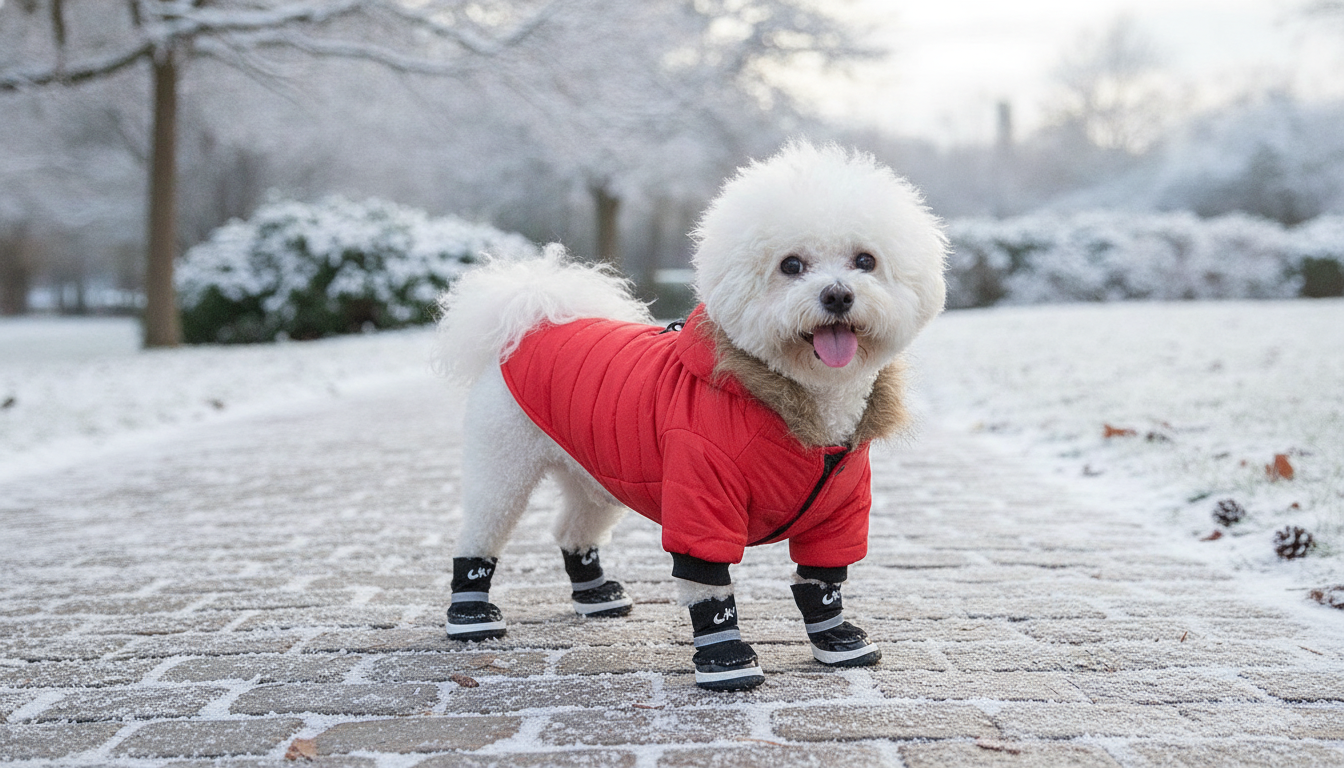
Winter Windproof Dog Hoodie Jacket
Cold wind can chill dogs quickly, especially on short walks, early-morning potty breaks, and breezy park outings. A windproof hoodie-style jacket helps reduce heat loss, keeps the chest and back protected, and adds a cozy layer that’s easy to put on and take off. When temperatures hover around “not that cold,” wind is often the real culprit—pulling warmth away from the body faster than many pet parents expect. For more guidance, see Keeping Pets Safe in Winter Weather.
What a Windproof Dog Hoodie Helps With
A windproof layer is designed to keep moving air from cutting through your dog’s fur and reaching the skin. That matters because wind can make a mild day feel sharply colder, especially for small dogs and breeds with short coats. For further reading, see Essential Winter Gear for Working Dogs – Tyler Farm.
- Blocks wind from cutting through the coat, which can make moderate temperatures feel much colder
- Adds insulation over key heat-loss zones (back, chest, belly) during walks and outdoor play
- Supports dogs with short coats, low body fat, seniors, and puppies who may chill faster
- Helps keep indoor-to-outdoor transitions comfortable on brisk, gusty days
- Offers light protection from dry winter air and minor debris during outdoor time
Cold-weather guidance from trusted animal organizations emphasizes practical protection and close observation—especially for smaller, older, and short-coated dogs. For additional winter safety reminders, see the American Veterinary Medical Association (AVMA) cold weather pet safety page and the American Kennel Club (AKC) cold weather tips.
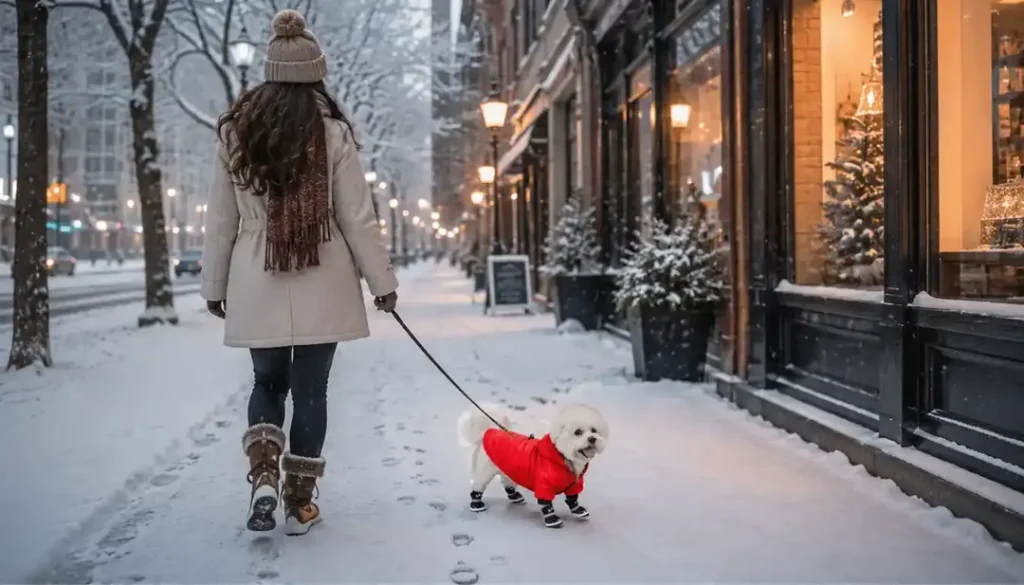
Design Details That Matter in Winter
Not all dog hoodies are built the same. For cold, windy days, the small construction details can make the difference between “cute” and “actually useful.”
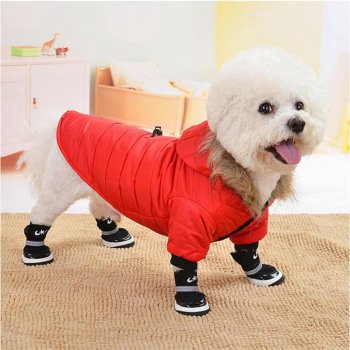
- Wind-resistant outer layer: reduces windchill impact and keeps warmth closer to the body
- Hoodie coverage: adds warmth around the neck area; best when it doesn’t obstruct vision or ears
- Secure closure: look for fast, reliable closures that won’t pop open when the dog moves
- Comfortable lining: the Windproof Dog Hoodie helps prevent scratchiness and improves warmth retention
- Leash and harness compatibility: enough room around shoulders and chest to avoid rubbing
- Tailored cut: protects the back and chest while keeping potty areas clear
- Easy-on, easy-off fit: especially important for dogs that dislike dressing routines
A practical winter routine often pairs “outdoor protection” with “indoor recovery.” After a windy walk, setting your dog up with a warm resting place can help them settle quickly. A dedicated spot like the Cozy Pet Bed for Cats and Small Dogs can make the post-walk cooldown calmer—especially for small dogs that lose heat fast.
Sizing and Fit Check (Before the First Walk)
A Windproof Dog Hoodie only works if it fits correctly: close enough to block drafts, but not so tight that it restricts breathing or shoulder movement. Do a quick measurement and then confirm the fit with a short “practice wear” indoors.
- Measure chest girth at the widest point; this is usually the most important measurement
- Measure back length from the base of the neck to the base of the tail (not including tail)
- Check neck comfort: the jacket should sit snugly without pressing the throat
- Do a motion test: confirm the dog can sit, stretch, and trot without shoulder restriction
- Look for rub points: armpits, chest strap areas, and along the spine
- Two-finger rule: when fastened, two fingers should slide under straps comfortably
- Re-check after 5–10 minutes: warmth can change fit slightly as the dog moves
Quick Fit Checklist
| Fit area | What to look for | Common fix |
|---|---|---|
| Chest | Snug with breathing room; no gaping | Size up or adjust closure |
| Shoulders | No rubbing or limiting stride | Try a different cut or loosen straps |
| Neck/hood area | Comfortable; doesn’t block vision | Fold hood back or adjust collar area |
| Back length | Covers back without riding up | Re-check back measurement; consider next size |
| Belly clearance | Protected but stays clean for potty breaks | Choose better belly cut or correct size |
When to Use It (and When to Skip It)
A Windproof Dog Hoodie earns its keep during short exposures and unpredictable gusts. It’s also helpful for dogs that hesitate to go out when the air feels “sharp.”
For more cold-weather cautionary tips—like keeping outdoor time short in harsh conditions and monitoring vulnerable pets—the ASPCA cold weather tips page is a helpful reference.
Care, Cleaning, and Winter Durability
Comfort Add-Ons for Cold Weather Routines
For pets that need extra enrichment when winter weather limits outdoor time, a feeder toy can add a little activity indoors. The Cat Swing Feeder Toy is an option for treat-based play, and beginner pet households may also like the digital guide Finding Your Perfect First Pet | Beginner’s eBook Guide to First-Time Pet Options, Choosing the Right Pet, and Building a Lasting Bond for building solid day-to-day routines.
FAQ
Is the Windproof Dog Hoodie better than a thick sweater for winter walks?
A windproof jacket can reduce heat loss on gusty days by blocking wind chill, while many thick sweaters mainly add warmth but still let air pass through. In very cold weather, a sweater can work well as a base layer under a windproof outer layer if your dog stays comfortable and mobile.
How tight should a dog hoodie jacket fit?
Use the two-finger check: when fastened, you should be able to slide two fingers under the closure without strain. The jacket should not rub at the armpits or restrict shoulder movement, and the neck/hood area should sit comfortably without pressing the throat.
How can overheating be prevented when using a winter jacket?
Prevent overheating by adjusting layers, keeping high-activity sessions shorter, and removing the jacket indoors or during car rides. Watch for heavy panting, agitation, or your dog trying to wriggle out of the jacket, and take it off promptly if those signs appear.









Leave a comment