
Waterproof Pet Raincoat Guide: Fit, Features & Care
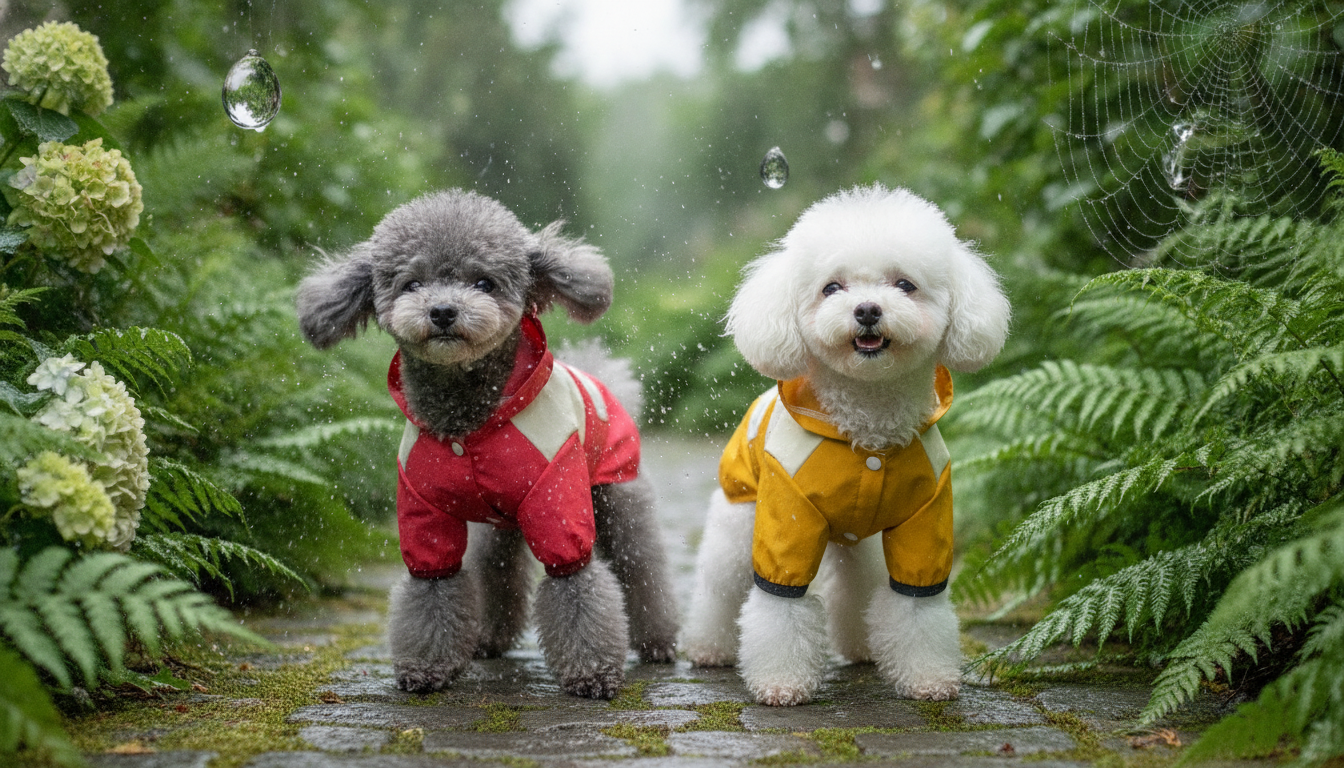
Waterproof Pet Raincoat: Dry, Comfortable Walks in Wet Weather
Rainy-day walks are easier when a pet stays dry, warm, and visible. A well-fitted waterproof raincoat helps reduce that damp chill, limits muddy splash on fur, and makes cleanup faster after getting home—without restricting movement.
Why a raincoat helps on wet walks
A waterproof layer can make the difference between a quick, comfortable loop around the block and a soggy, shivery experience that lingers long after you’re back inside.
- Keeps the coat and undercoat drier, which can reduce post-walk chill—especially for short-haired, small, or senior pets.
- Minimizes wet-dog odor and reduces time spent towel-drying.
- Cuts down on mud and road spray reaching the belly and chest.
- Supports safety with brighter colors or reflective details in low visibility.
Cold, wet conditions can be tougher on some pets than others. If temperatures drop or wind picks up, consider shortening outings and watching for signs of discomfort. For broader cold-weather safety guidance, see resources from the American Kennel Club (AKC), the ASPCA, and the AVMA.
What to look for in a waterproof pet raincoat
Not all raincoats feel the same in real weather. The best option is the one a pet can move in naturally, with coverage that matches their build and a closure system that stays put.
- Water-resistant outer layer with seam coverage where possible to slow seepage.
- Comfortable lining or smooth interior to reduce rubbing on chest and underarms.
- Adjustable closures (neck and belly) for a secure fit without tightness.
- Leash access opening for harness or collar use.
- Coverage that matches the pet’s build: longer back panel for drippy breeds; belly coverage for low-to-the-ground pets.
- Easy-on design for quick changes at the door.
| Feature | Why it matters | What to check before buying |
|---|---|---|
| Waterproofing | Helps keep the body dry and comfortable | Outer fabric feels slick; closures overlap; minimal gaps at shoulders |
| Fit adjustability | Prevents slipping and rubbing | Neck/belly adjust; secure closure that doesn’t pinch |
| Freedom of movement | Avoids gait changes and chafing | Room at shoulders; no tight strap behind elbows |
| Leash compatibility | Makes walks simpler and safer | Opening or routing for harness/collar attachment |
| Visibility | Improves safety in rain and dusk | Reflective trim or bright color blocks |
Sizing and fit: measure once, adjust for comfort
Fit is what turns a raincoat from “nice idea” into “actually helpful.” A coat that rides up, twists, or pinches can bother a pet enough to make walks harder—so it’s worth a quick measuring session before ordering.
- Measure back length (base of neck to base of tail), chest girth (widest point), and neck circumference.
- Prioritize chest fit first; too-tight chest restricts breathing and stride.
- Check shoulder mobility by having the pet take a few steps and sit—no pulling across the front legs.
- For fluffy coats, measure with light compression (not fully flattened) to avoid ordering too small.
- If between sizes, choose the size that accommodates chest girth and use adjusters to refine the fit.
| Measurement | How to measure | Common mistake to avoid |
|---|---|---|
| Back length | Base of neck to base of tail (topline) | Measuring from collar position too high on the neck |
| Chest girth | Around the widest part behind front legs | Measuring too close to the armpits |
| Neck | Where a collar naturally sits | Pulling tape too tight and ordering a restrictive neck |
Everyday use tips for rainy streets, trails, and quick potty breaks
A raincoat is easiest to use when it fits into the routine—on, out the door, back in, off near the entryway. Small habits also help keep floors cleaner and reduce that “damp dog” feeling indoors.
- Put the raincoat on indoors and confirm closures lie flat before heading out.
- Use a harness if the pet pulls; confirm leash attachment remains unobstructed.
- For heavy rain and wind, pair a raincoat with shorter routes and more frequent breaks.
- After the walk, remove the coat near the entrance, shake off water outside, and towel paws to reduce tracked-in moisture.
- If the pet seems hesitant, build comfort with short wear sessions and treats so the coat becomes routine.
Care and storage to keep waterproofing effective
Water-resistant fabrics perform best when they’re kept clean and allowed to fully dry. Good care also protects closures and prevents musty odor from lingering between walks.
Product pick: Waterproof Pet Raincoat
If wet sidewalks and splashy curb puddles are a regular part of your route, the Waterproof Pet Raincoat is a practical option designed to help keep pets drier outdoors. It’s a helpful grab-and-go layer for quick potty breaks and longer neighborhood strolls when drizzle turns into steady rain.
| Item | Price | Availability |
|---|---|---|
| Waterproof Pet Raincoat | $20.95 | In stock |
Optional add-ons for rainy-day outings
- Handmade Cotton Pet Leash: comfortable handling and a stylish everyday companion for city walks.
- Collapsible Portable Pet Bowl: helpful for longer routes or travel when water breaks are needed.
- Winter Windproof Dog Hoodie Jacket: a warmer layering choice for cold, windy days when rain isn’t the main issue.
FAQ
How tight should a pet raincoat fit?
Snug enough that it doesn’t shift or flap, but loose enough to fit two fingers under straps and allow full shoulder movement. Prioritize chest comfort and make sure nothing rubs behind the front legs.
Can a raincoat be worn over a harness?
Yes, as long as the design provides leash access and the attachment point isn’t blocked. Check that the coat doesn’t press the harness into the skin or restrict shoulder movement.
How should a waterproof raincoat be cleaned?
Air-dry after use, wipe it down when possible, and wash gently only when needed. Avoid fabric softeners and high heat so the water repellency lasts longer.











Leave a comment