
Elevated Dog Bowl Height: A Quick Guide
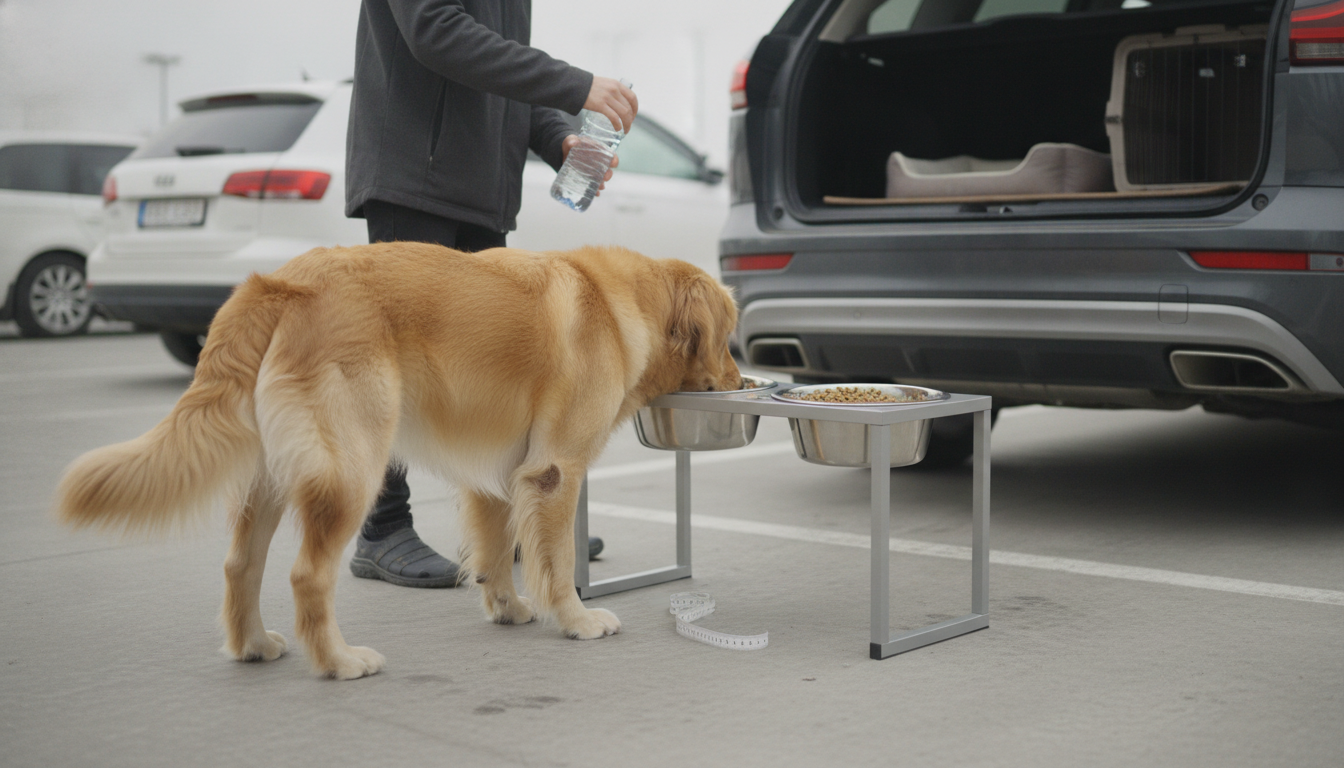
How tall should an elevated dog bowl be for a large dog?
For most large dogs, an elevated bowl should place the rim at about the level of your dog’s lower chest (roughly even with the sternum), so they can eat and drink with a relaxed neck and minimal hunching. As a quick at-home check, your dog should be able to stand naturally and reach the bowl without stretching down sharply or lifting their head high while swallowing.
Simple measuring method (takes a minute)
1) Have your dog stand on a flat surface with a normal posture. 2) Measure from the floor to the bottom of the chest (sternum area) or to a point a few inches below it. 3) Choose a stand height that brings the bowl rim close to that level. Because bowl depth varies, a deep bowl may need a slightly shorter stand than a shallow bowl to keep the rim from ending up too high.
Typical height range for large dogs
A common range is about 10–15 inches from the floor to the top of the stand (not counting a tall bowl’s added height), but the “right” number depends on your dog’s build. A tall, long-legged dog may land higher, while a stocky large breed may be more comfortable closer to the lower end. When in doubt, choose adjustable or size for the dog’s chest height rather than weight alone.
Signs the bowl is the right height
Look for a neutral neck and back posture during meals, steady footing, and fewer gulps or messes. If your dog seems to “hover” with their head lifted, the bowl may be too high; if they still bend significantly at the neck and shoulders, it may be too low.
Stability and cleanliness matter too
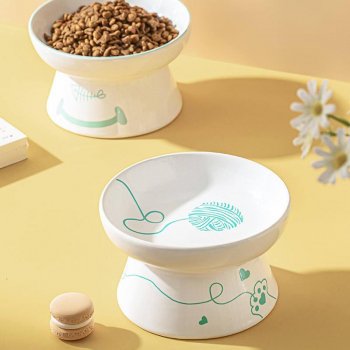
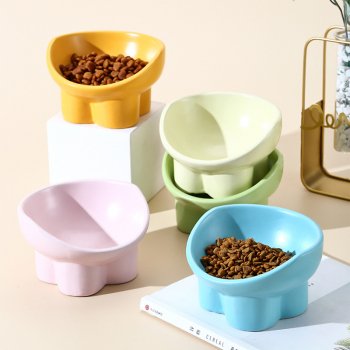
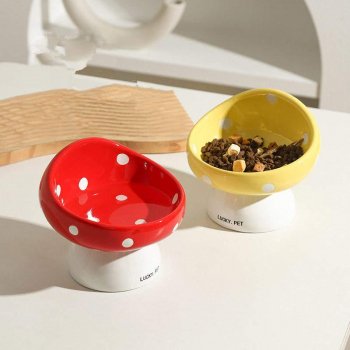
Large dogs generate leverage, so a stable, tip-resistant base and a heavy, easy-to-clean bowl can make daily feeding smoother. For more guidance on choosing a clean, stable, joint-friendly option (including elevated ceramic bowls), visit this guide to elevated pet bowls.
FAQ
Is an elevated dog bowl better for dogs with arthritis?
They can be, because reducing the need to bend at the neck, shoulders, and elbows may make eating and drinking more comfortable. The best height is the one that lets your dog keep a neutral posture without straining up or down.








Leave a comment