
Cozy Winter Dog Coat Guide: Fit, Warmth & Safety
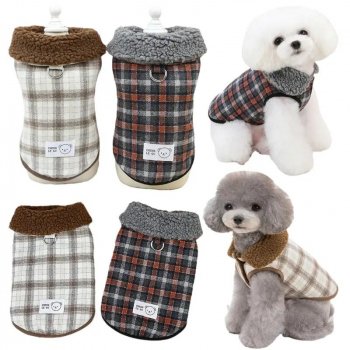
Cozy Winter Dog Coat: Warmth, Comfort, and Safer Cold-Weather Walks
Cold, wind, and damp sidewalks can make winter outings uncomfortable for many dogs—especially small breeds, short-haired pups, seniors, and dogs that get chilled quickly after potty breaks. A well-fitted coat helps retain body heat, reduces exposure to wind and moisture, and can add visibility on darker mornings and evenings.
Beyond comfort, winter outerwear can support steadier movement and happier walks when conditions are unpredictable. For general cold-weather guidance, reputable safety tips from the American Veterinary Medical Association (AVMA) and the American Kennel Club (AKC) are helpful references.
What a Winter Coat Helps With
- Insulates the core so the body doesn’t lose heat as quickly during short walks and longer adventures.
- Adds a barrier against wind chill, which can feel much colder than the actual temperature.
- Helps keep fur and skin drier in light snow or damp conditions, reducing that post-walk chill.
- Can reduce shivering and stiffness in dogs that are sensitive to cold (very small dogs, lean dogs, seniors).
- Improves visibility when paired with reflective details or bright colors for low-light walks.
Cozy Winter Dog Coat: Quick Overview
For daily winter routines—morning potty breaks, evening neighborhood loops, and quick errands—a warm layer that doesn’t feel bulky can make walks smoother. The Cozy Winter Dog Coat is an easy, practical option when temperatures dip and sidewalks stay cold.
At-a-Glance Details
| Detail | Info |
|---|---|
| Product page | https://jouvella.com/cozy-winter-dog-coat/ |
| Price | $23.65 (USD) |
| Stock status | In stock |
| Category fit | Cold-weather outerwear for dogs |
- Product: Cozy Winter Dog Coat
- Price: $23.65 (USD)
- Availability: In stock
- Best for: Everyday winter walks, quick potty breaks, chilly errands, and layering on cold days
- A practical option for pet parents who want warmth without adding bulky layers that restrict movement
Fit and Comfort: Getting the Size Right
A winter coat works best when it seals in warmth without pinching, rubbing, or limiting stride. A couple minutes of measuring can prevent the most common issues: coats that ride up, twist to one side, or gap around the chest.
- Measure the chest (girth) at the widest point behind the front legs; this is often the most important measurement for coats.
- Measure back length from the base of the neck to the base of the tail to avoid coats that ride up or cover too far.
- Check neck measurement if the design closes at the neck; it should be secure but not tight.
- Allow full shoulder movement: the front legs should swing freely without rubbing at the armpits.
- Aim for a snug-but-comfortable fit—warmth improves when there are fewer gaps, but breathing and movement must remain unrestricted.
If your dog is between sizes, consider your dog’s chest measurement as the deciding factor, then confirm the coat doesn’t bind at the shoulders during a short “test walk” indoors.
Warmth Without Overheating
Even in winter, dogs can get too warm—especially during fast-paced walks, chasing snowballs, or playing with other dogs. The goal is adjustable comfort: warm outside, comfortable inside, and dry between outings.
- Use the coat as a removable layer: put it on for outdoor time and remove it indoors to prevent overheating.
- Watch for signs of being too warm during active play (excess panting, restlessness, seeking snow to cool down).
- For very cold days, layer thoughtfully: a thin base layer can add warmth, but avoid thick stacking that restricts movement.
- Adjust walk length to conditions—windy, wet days can cool dogs faster than dry, calm days.
- Dry the coat after wet walks to keep insulation effective and prevent odor buildup.
Slush and wet snow can soak outer fabric quickly. For those days, pairing warmth with wet-weather protection can be useful, such as the Waterproof Reflective Pet Hoodie for added water resistance and visibility.
Cold-Weather Safety Checklist for Walks
Winter safety is often about small, repeatable habits: visibility, paw checks, and knowing when to call it a day. For broader winter-weather reminders, the ASPCA’s cold-weather safety tips are a solid overview.
Care and Storage for a Longer-Lasting Coat
More Cold-Weather Picks to Pair With It
- For wet, reflective protection on rainy or slushy days: Waterproof Reflective Pet Hoodie
- For travel days and chilly car rides: Cozy Travel Pet Carrier
- For tracking weight through the winter (when activity levels can change): Healthy Paws, Happy Life weight tracking guide
FAQ
How do you measure a dog for a winter coat?
Measure chest girth at the widest point behind the front legs, then measure back length from the base of the neck to the base of the tail and confirm the neck measurement if the coat closes at the neck. The fit should be snug to reduce gaps but not restrictive—your dog should move shoulders freely without rubbing at the armpits. If your dog falls between sizes, prioritize chest fit and re-measure to confirm.
When should a dog wear a coat in winter?
Coats are especially helpful for small dogs, short-haired breeds, seniors, puppies, and dogs with low body fat, as well as on windy, wet, or slushy days. If your dog shivers, seems reluctant to walk, or cools down quickly after potty breaks, a coat can improve comfort. Conditions matter as much as temperature—wind and dampness can make cold feel more intense.
Can a dog overheat in a winter coat?
Yes—dogs can overheat during active walks or play, and common signs include heavy panting, restlessness, or trying to cool off in snow. Remove the coat indoors, keep layering breathable and light, and shorten or slow walks when your dog is very active. Adjust based on your dog’s comfort rather than keeping the coat on continuously.









Leave a comment