
New Dog First Month Checklist: Calm Routines & Training
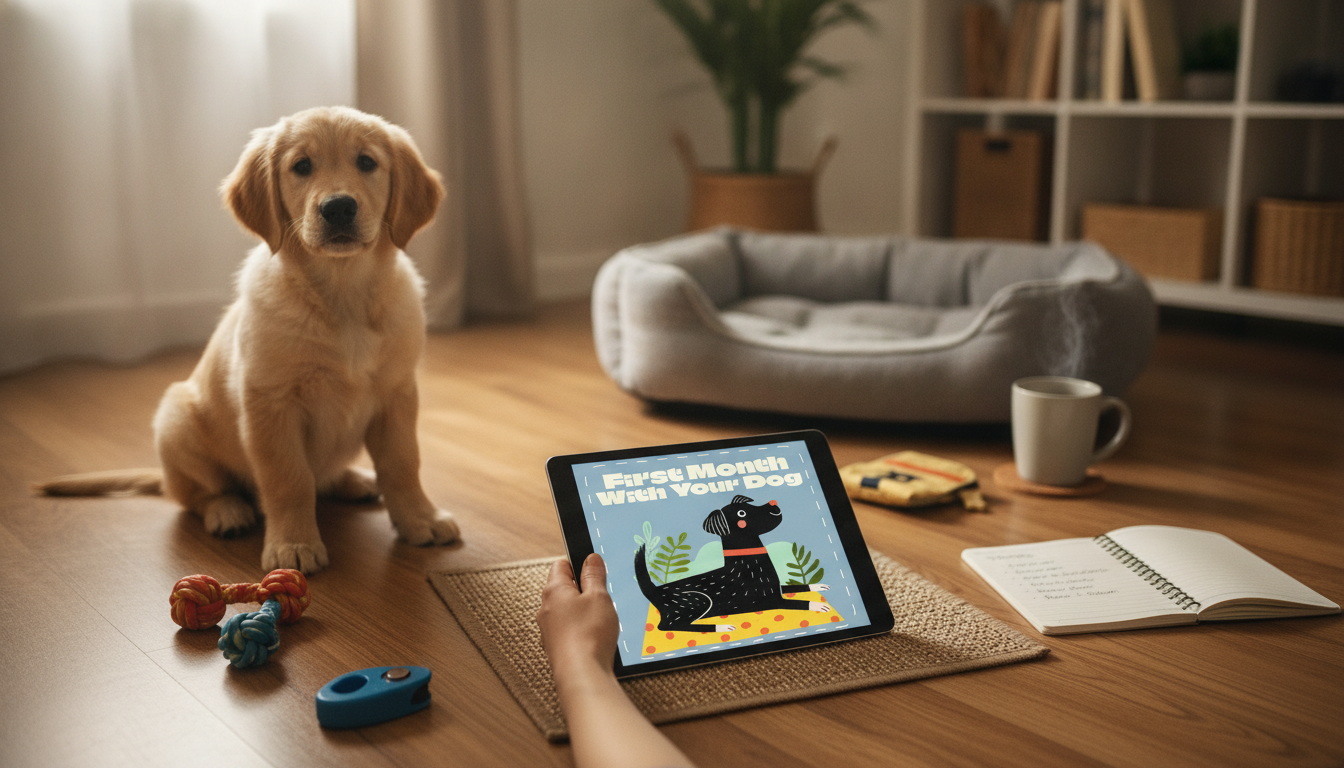
First Month With Your Dog: A Fun, Easy Checklist for a Calm Start
The first 30 days with a new dog set the tone for routines, training, and trust. A simple, day-by-day approach helps you cover the essentials—health, home setup, bonding, and practical habits—without trying to do everything at once. Below is a calm, realistic first-month plan you can follow (and adjust) as your dog settles in. For more guidance, see The New Puppy Checklist – Nature’s Recipe.
Before Day 1: Set up a safe, low-stress home base
A good “home base” prevents chaos. Pick one primary area—such as a crate plus a playpen, or a gated room—so your dog has a clear place to rest, chew, and decompress without constant decisions or temptation. For further reading, see New Puppy Checklist: Essential Tips for Your First Month.
- Choose one home base area: This reduces accidents, chewing, and overstimulation (especially for puppies and newly adopted dogs).
- Puppy-proof at nose level: Secure cords, remove shoes and kids’ toys, block access to trash, and double-check houseplants and small items that can be swallowed.
- Decide house rules now: Furniture access, feeding spots, and where your dog sleeps should be consistent across everyone in the household.
- Draft a predictable schedule: Meals, potty breaks, play, training, and naps are easier when the rhythm stays steady day to day.
Days 1–3: Reset expectations and build trust
The first 72 hours are your dog’s “decompression window.” Keep life quiet and predictable so your dog can learn your routine without pressure.
- Keep it calm: Short walks, limited visitors, and lots of rest. New dogs often sleep more when they finally feel safe.
- Start a routine immediately: Wake → potty → food → potty → play → nap, then repeat. This helps your dog understand what happens next.
- Begin name recognition and gentle handling: Say the name once, reward attention, and keep sessions short. Add brief, positive touch practice (paws, ears, mouth) with treats.
- Track potty timing: Note when accidents happen so you can tighten your schedule quickly (rather than guessing).
Week 1: Vet visit, records, and a health baseline
Plan a vet appointment within the first week—sooner for very young puppies, newly rescued dogs, or any symptoms such as vomiting, diarrhea, coughing, lethargy, or poor appetite. Bring any paperwork you have: adoption records, microchip details, vaccine/deworming history, and current diet information.
- Discuss vaccinations and prevention: Your vet can advise on vaccine timing and risk-based lifestyle choices (see AAHA Canine Vaccination Guidelines).
- Ask about parasites, microchipping, and spay/neuter timing: These are easiest to manage with a clear plan from day one.
- Start a simple health log: Appetite, stool quality, energy, scratching, sneezing/coughing, and weekly weight can reveal patterns early.
For general puppy-care reminders and safety basics, the AVMA puppy care guide is a dependable reference.
Week 1: The core training trio—potty, crate, and calm
In the first month, focus on three things that make everything else easier: potty training, safe confinement, and the ability to relax.
Weeks 2–3: Socialization done safely and thoughtfully
A simple first-month checklist (weekly focus + daily actions)
First-month overview: what to focus on and what to do daily
| Timeframe | Main focus | Daily must-dos | Nice-to-add |
|---|---|---|---|
| Days 1–3 | Decompression + routine | Potty schedule, meals at set times, naps, gentle bonding | Name game, short handling practice |
| Week 1 | Health + basics | Vet planning/visit, crate/confinement routine, simple cues | Introduce grooming tools, short car rides |
| Week 2 | Confidence building | Short leash practice, calm exposure to sights/sounds | Reward calm around visitors, “settle” on mat |
| Week 3 | Manners + independence | Alone-time practice, polite greetings, chew management | Short training walks, structured play |
| Week 4 | Consistency | Refine schedule, strengthen recall basics, maintain calm routine | Add a new environment outing (controlled) |
Gear that makes daily routines easier
- Reliable walking gear: A comfortable leash helps make leash practice predictable and safer. Consider the Handmade Cotton Pet Leash for everyday walks and training sessions.
- Water on the go: For errands, warm days, or small dogs who tire easily, keeping water handy can prevent a rushed trip home. The Collapsible Portable Pet Bowl packs easily in a pocket or “go bag.”
- Weather-ready outerwear: If your dog chills easily (or you’re starting in a windy season), consistent walks are easier with warm layers like the Winter Windproof Dog Hoodie Jacket.
If you want everything organized in one place, First Month With Your Dog: The Fun & Easy Checklist (Printable + Digital Planner) helps you track routines, vet info, and small daily wins without overcomplicating your day.
Common first-month bumps (and simple fixes)
Make it easy to stay consistent: a printable/digital plan
FAQ
What should be done in the first 24 hours with a new dog?
Keep things quiet, introduce one safe area, start a simple potty/meal/nap routine, and limit visitors. Watch appetite, energy, and bathroom habits closely so you can spot concerns early.
How often should a puppy go outside during the first month?
Most puppies need to go out after waking, eating, drinking, and play, plus frequent scheduled trips throughout the day. Adjust based on age and accident patterns, and ask your vet for guidance tailored to your puppy.
When should a new dog see the vet?
Plan a vet visit within the first week (sooner if any symptoms appear) and bring any available records. Use the appointment to discuss vaccines, parasite prevention, microchipping, nutrition, and early behavior questions.











Leave a comment