
Rabbit Habitat Checklist: Clean, Safe Setup That Works
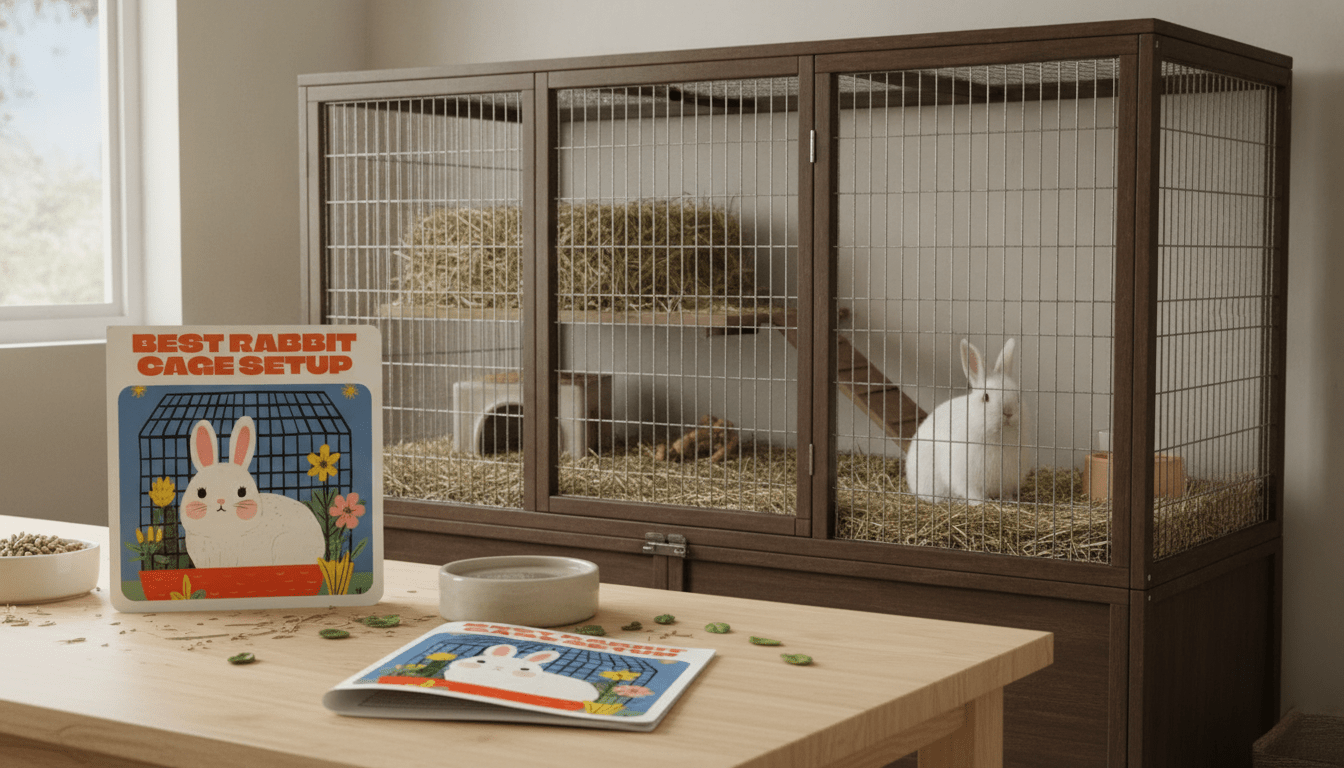
A rabbit’s living space affects everything from litter habits to appetite, movement, and stress levels. This checklist-style guide lays out a practical, room-by-room approach to building a safe, spacious, easy-to-clean habitat that supports natural behaviors like hopping, hiding, chewing, and foraging—plus simple routines that keep the setup working long-term.
Start With the Right Space (Before Buying Anything)
- Aim for a habitat large enough for at least 3–4 consecutive hops, full upright sitting, and a stretch-out nap without bumping walls.
- Prioritize floor space over height; most rabbits use horizontal room far more than vertical levels.
- Choose a quiet area away from constant drafts, direct sun, and loud speakers, but not isolated from normal household activity.
- Plan for a daily exercise zone outside the enclosure (a penned area or bunny-proofed room) to support joint health and steady gut movement.
- Confirm that all family members understand door and latch rules to prevent escapes, dropped panels, and accidental injuries.
For housing standards and practical layout ideas, the House Rabbit Society and RSPCA rabbit housing guidance are solid references to compare against your plan.
Safe Flooring and Base Layers
- Avoid bare wire flooring; it can cause sore hocks and make rabbits reluctant to move.
- Use a waterproof base (mat or tray) under the habitat to protect floors and simplify cleanup.
- Add a non-slip layer such as a low-pile rug, fleece, or textured mats to support confident hopping and reduce slipping.
- Spot-check for loose threads and chewable foam edges; replace or cover materials that could be swallowed.
- Keep a backup set of washable liners so the habitat can be refreshed quickly after accidents or heavy shedding days.
Quick Material Check: What Works Well
| Item | Best For | Watch Outs |
|---|---|---|
| Low-pile rug or cotton mat | Traction and comfort | Chewed edges; choose tightly woven styles |
| Fleece liner (over absorbent layer) | Soft resting areas | Needs frequent washing; avoid if heavy chewer |
| Plastic tray/base | Moisture protection | Cover slippery surfaces with rugs/mats |
| Paper-based bedding (in litter box) | Odor control and absorption | Avoid dusty products; monitor sensitivity |
| Hardwood/laminate floors (outside pen) | Easy cleaning | Add rugs for traction and confidence |
Litter Box Setup That Encourages Good Habits
- Use a roomy litter box so your rabbit can fully turn around; many rabbits prefer a box large enough to sit and eat hay.
- Place the box in a corner your rabbit naturally chooses; keep placement consistent so the habit “sticks.”
- Fill with rabbit-safe litter (paper-based or pelleted) and avoid clumping cat litter, scented litters, and deodorizing crystals.
- Provide unlimited hay directly in or beside the litter box to reinforce use and support digestion.
- Clean daily by removing wet spots and droppings; do a full change on a schedule that matches your rabbit’s output and the box size.
If you want a simple way to map your zones (litter/hay, rest, and play) and keep a repeatable cleaning rhythm, the Best Rabbit Cage Setup Checklist (digital download) makes it easy to plan the layout and track the basics without guesswork.
Food and Water Stations (Simple, Stable, and Hygienic)
- Hay is the centerpiece: keep it abundant, clean, and easy to reach without climbing or stretching.
- Use heavy ceramic bowls for pellets and water to reduce tipping; refresh water daily (and more often during heat).
- Separate food and water from the litter area enough to stay clean, but close enough to keep routines convenient.
- Offer leafy greens in a dedicated dish or foraging tray to reduce contamination and help you notice appetite changes quickly.
- Keep treat portions small and consistent to protect gut motility and healthy weight.
For travel days, bonding sessions in a neutral space, or supervised outdoor time, a backup water option can help. A compact Collapsible Portable Pet Bowl is handy to keep clean water available away from the main setup.
Enrichment and Comfort Zones (Hide, Chew, Forage, Rest)
- Provide at least one hideout where your rabbit can fully fit and turn around; add a second hide for bonded pairs or group housing.
- Rotate safe chew items (untreated wood, hay-based chews, thick cardboard) to protect teeth and reduce boredom chewing on “forbidden” things.
- Add a digging or foraging option: a paper-filled dig box, hay stuffed into tubes, or a snuffle-style foraging mat.
- Create a calm rest area with a soft mat and a predictable layout; rabbits often relax more when the environment stays consistent.
- Avoid small plush huts that can be ingested if chewed; choose sturdy, rabbit-safe materials that hold up to daily use.
Bunny-Proofing Inside and Around the Habitat
Daily and Weekly Care Rhythm (So the Setup Stays Easy)
Because rabbits rely on steady eating and gut movement, a housing setup that encourages frequent hay nibbling and low-stress routines matters. For a medical overview of why appetite slowdowns can become urgent, see the Merck Veterinary Manual’s gastrointestinal stasis overview.
Printable Digital Checklist and Habitat Planner
If you want a ready-to-use layout planner you can print or keep on your phone, the Best Rabbit Cage Setup Checklist (digital download) pairs well with a simple “refill and reset” routine.
FAQ
How big should a rabbit’s enclosure be?
Prioritize floor space: your rabbit should be able to take several hops in a row, sit fully upright, and stretch out comfortably. Bigger is better, especially for larger breeds or bonded pairs, and daily time in a larger exercise area helps support joints and digestion.
What litter is safe for rabbits?
Paper-based or pelleted litters are common rabbit-safe choices. Avoid clumping cat litter, scented options, and dusty materials, and keep hay available in or beside the box to encourage consistent litter habits.
Do rabbits prefer a water bowl or bottle?
Many rabbits drink more from a heavy bowl, which can support better hydration. Bottles can work as a backup, but they should be cleaned regularly and checked to ensure the spout flows well.











Leave a comment