
Non-Wetting Dog Water Bowl: Drier Floors With 1.3L
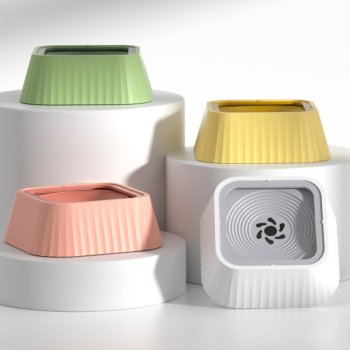
Water around the bowl is one of the most common causes of slippery floors, damp fur, and messy feeding areas. A non-wetting design helps reduce splashes and drips while still making it easy for dogs to drink comfortably. Below is a practical look at how these bowls work, which dogs benefit most, and what to prioritize for everyday use—especially if you’re tired of wiping up “mystery puddles” near the water station.
What “Non-Wetting” Means in Everyday Use
“Non-wetting” (sometimes called splash-proof or spill-resistant) typically refers to a bowl engineered to control how much water is exposed while your dog drinks. Instead of a wide-open surface that splashes with every lap, the design reduces splash-out and helps keep drips closer to the bowl.
- Designed to reduce splash-out when a dog laps quickly or bumps the bowl
- Helps limit “beard drips” by controlling the water surface and access area
- Aims to keep surrounding floors drier, especially on tile, hardwood, and laminate
- Often paired with a stable base to prevent sliding and tip-overs
Problems a Spill-Resistant Bowl Helps Prevent
Even small splashes add up. In many homes, the drinking area becomes a high-traffic mess zone—especially with enthusiastic drinkers, long-haired breeds, or multiple pets sharing one station.
- Wet paw tracks and puddles that spread through high-traffic areas
- Water damage risk around baseboards or under bowl mats
- Slips for pets and people on smooth floors
- Frequent refills caused by splash loss rather than actual drinking
- Messy travel scenarios where a normal bowl sloshes easily
Reducing spilled water also makes it easier to spot true changes in drinking habits. If water isn’t constantly being knocked out of the bowl, it’s simpler to notice when a pet is suddenly drinking much more or less than usual. For general hydration awareness and warning signs of dehydration, see the AKC overview on dehydration in dogs: https://www.akc.org/expert-advice/health/dehydration-in-dogs/.
Key Design Features That Reduce Mess
Not every “spill-resistant” bowl works the same way. The most effective options combine controlled access with a stable footprint, so the bowl resists both splashing and sliding.
- Restricted drinking opening or floating/regulated water surface to minimize splashing
- High enough capacity to reduce refill frequency without taking up excessive space
- Stable, wide base to reduce tipping and sliding
- Materials that are easy to rinse and wipe clean
- Edges and surfaces shaped to guide drips back into the bowl instead of onto the floor
Quick feature checklist
| Feature | Why it matters | What to look for |
|---|---|---|
| Splash control | Less water on floors and walls | Smaller drinking area or regulated surface |
| Stable base | Fewer tip-overs and skids | Wide footprint; anti-slip bottom |
| Capacity | Fewer refills for busy households | Around 1L+ for medium-to-large dogs |
| Easy cleaning | Better hygiene; less odor buildup | Smooth surfaces; simple disassembly if applicable |
| Travel friendliness | Less slosh in cars and carriers | Spill-resistant design with secure fit parts |
Choosing the Right Size and Setup for the Dog
A bowl can have the best anti-splash design in the world, but daily performance still depends on choosing a sensible size and placing it correctly.
For broader pet care and feeding guidance, the American Veterinary Medical Association offers practical owner resources here: https://www.avma.org/resources/pet-owners/petcare.
1.3L Non-Wetting Dog Water Bowl: Practical Fit for Daily Routines
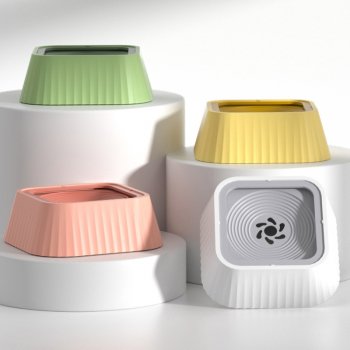
A mid-to-high capacity bowl is often the sweet spot for busy homes: enough water to support normal daily drinking without making the station bulky. The 1.3L Non-Wetting Dog Water Bowl is sized to reduce refill frequency for many households while focusing on a cleaner perimeter around the bowl.
At-a-glance
| Detail | Notes |
|---|---|
| Capacity | 1.3L |
| Best for | Messy drinkers, long-haired breeds, smooth floors, busy households |
| Common placement | Kitchen, mudroom, feeding station, near crate |
| Goal | Reduce splashes, drips, and wet rings around the bowl |
Cleaning and Maintenance for Fresh Water
If your household tracks weight and daily wellness alongside good hydration habits, pairing a clean water routine with simple monitoring can be helpful. The Healthy Paws, Happy Life | AI Pet Weight Tracking Guide is a digital option for owners who want a more organized approach to health trends at home.
Helpful Add-Ons for a Cleaner, Safer Drinking Area
- For travel stability: Use a secure setup during stops so the bowl stays level. A contained space can reduce tipping, such as a dedicated travel spot near a Cozy Travel Pet Carrier (when appropriate for your pet’s size and comfort).
- For rainy walks: Cutting down the “wet dog” problem before your pet reaches the water station can help. A Waterproof Reflective Pet Hoodie can reduce dripping from wet coats in cold or rainy weather.
- For floors: Pair the bowl with an easy-clean, waterproof mat to protect surfaces from occasional drips without creating an unstable base.
FAQ
Do non-wetting water bowls stop all spills?
They significantly reduce splashing and drips during normal drinking, but they can’t prevent every spill. Rough play, tipping, or placing the bowl on an uneven surface can still lead to water on the floor.
Is a 1.3L bowl enough for a dog?
It depends on your dog’s size, activity level, weather, and whether multiple pets share the bowl. Monitor how quickly the water level drops and refill as needed so fresh water is always available.
How often should a dog’s water bowl be cleaned?
Refresh and rinse daily, and wash regularly to reduce biofilm and odor buildup. Use mild soap, clean any seams or removable parts thoroughly, and rinse well so no residue remains.








Leave a comment